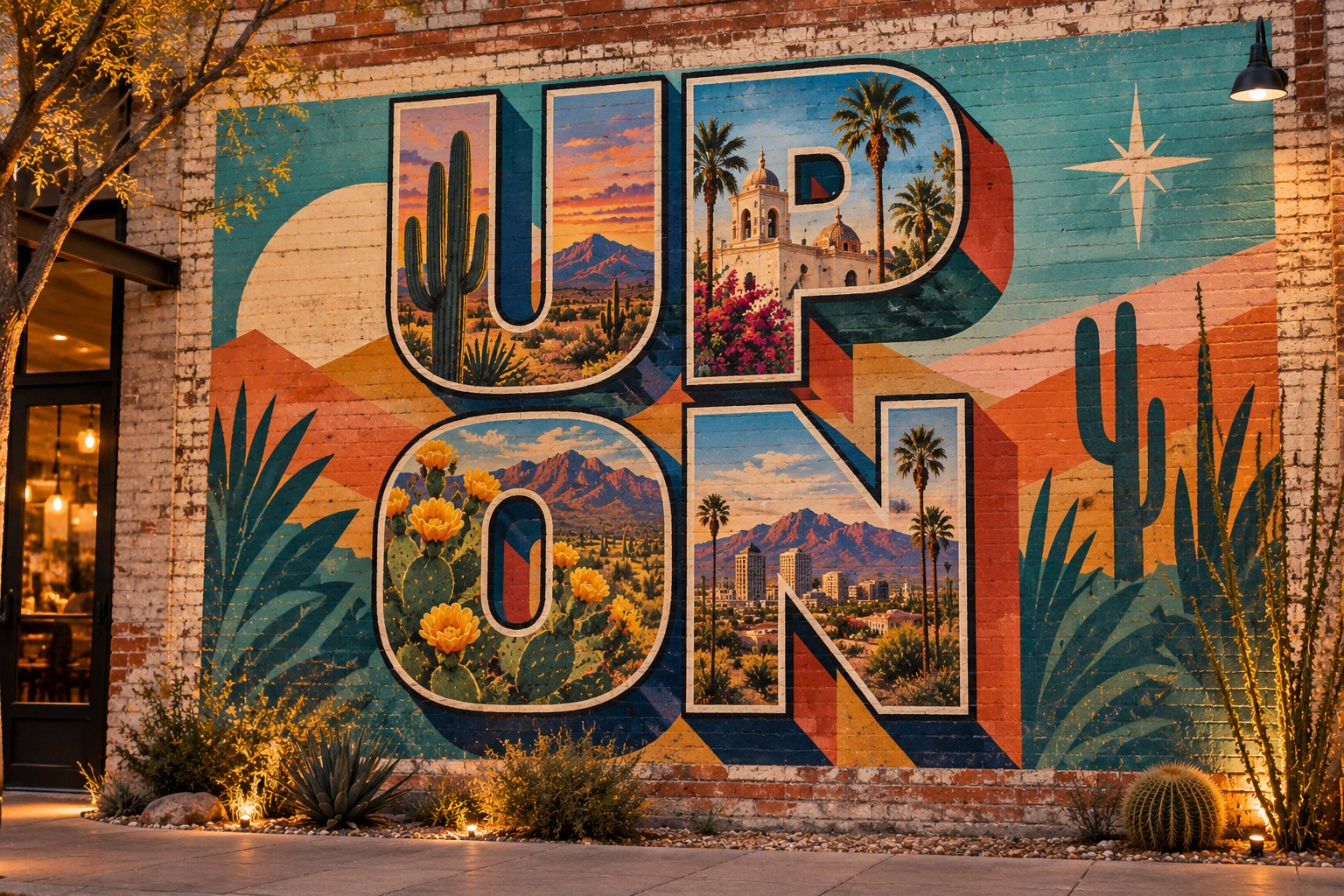
Often we think of brand as a static document: logos, colors, messaging, fonts, the website, the trade show booth, sales materials.
Choosing colors, fonts, images and design language is just the beginning. How it lives on, behaves in perpetuity, and how people experience it is what we're after.
A good way to think about good branding is through the lens of a physical environment. Here's a real world example of a brand exercise I did for a physical environment, but the same principles apply to any brand.
A few years ago I did some early brand work for Bourn Companies, a commercial developer in Tucson, Arizona. At the time they were in the beginning phases of a large, mixed-use project that is now underway called Uptown. It's going to be very nice. But I can't help but feel it's missing something: a purpose, a meaning, a brand—something that ties it to the area, something new and differentiated that people can feel and experience when they visit. Something that anchors it to the region and the community without forcing it. Experts like RSM Design and the Jerde Partnership call this placemaking.
If a development could get plopped into any other city in the world without needing a redesign, placemaking hasn't happened and brand doesn't exist. No brand. No memorable or meaningful experience. And definitely no sense of place.
The greater Tucson area has an incredible history, with a lot of distinct, ownable things to draw from that could inform an incredibly unique environment. The goal is not to build a facsimile of any of it, or replicate it in a silly, inauthentic way, but to find real inspiration in it.
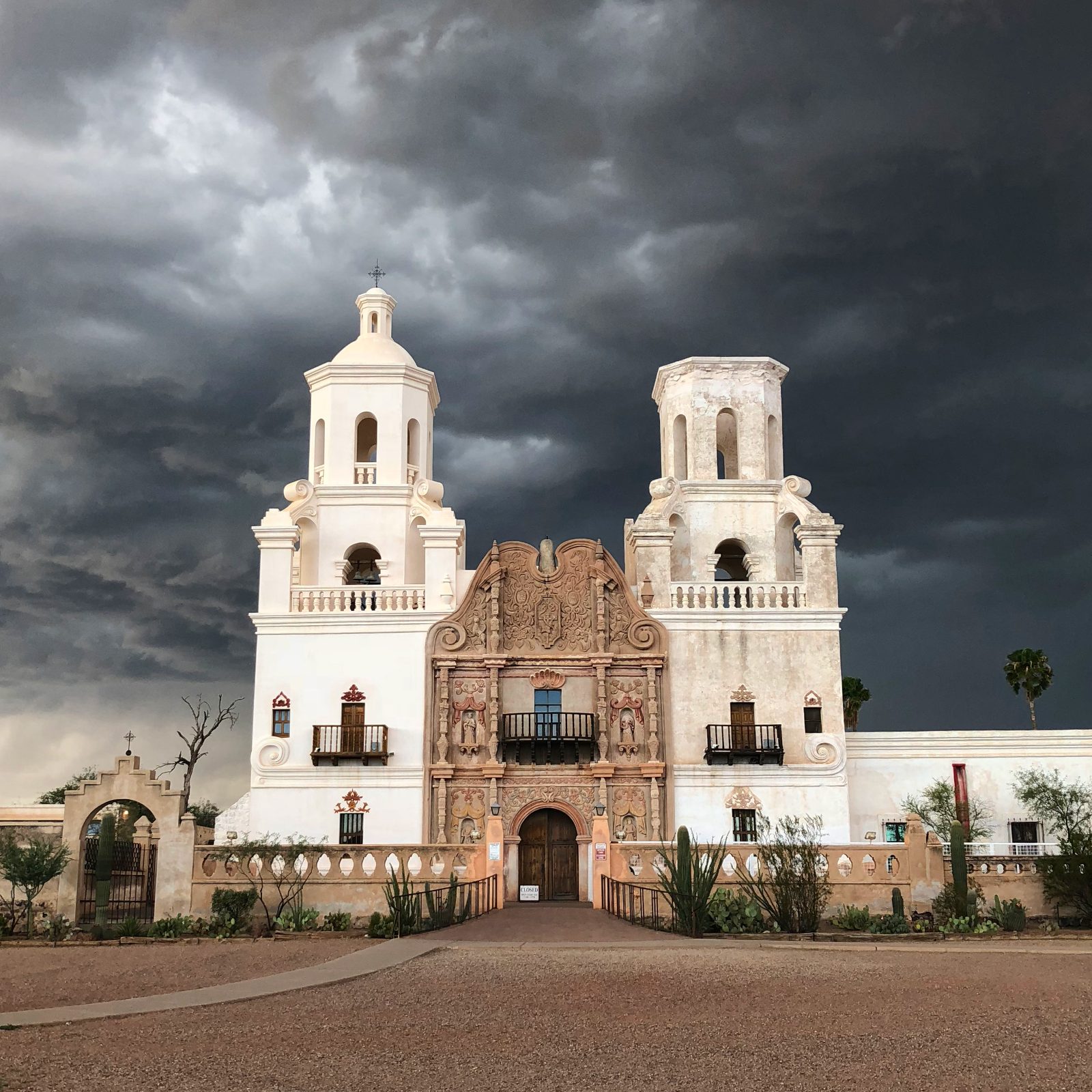
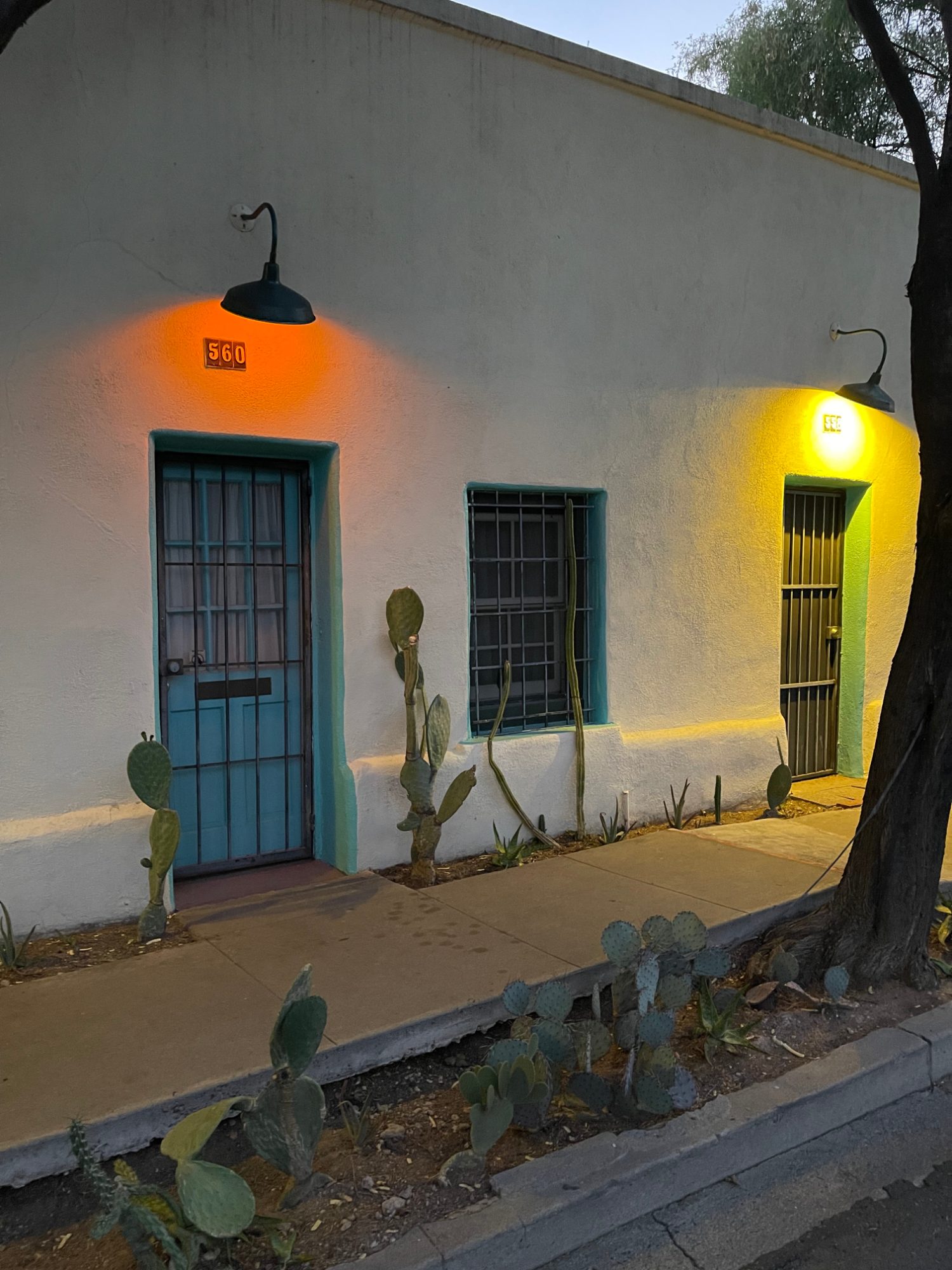
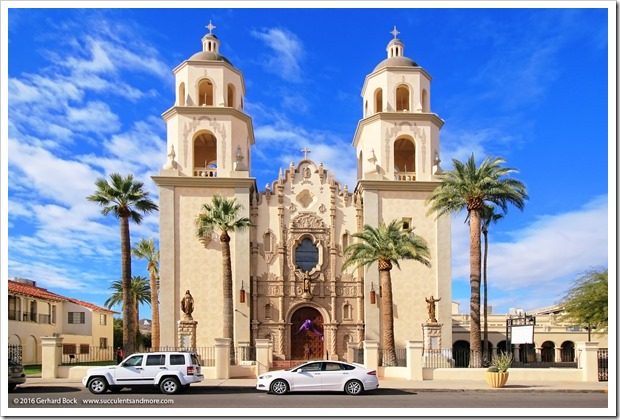
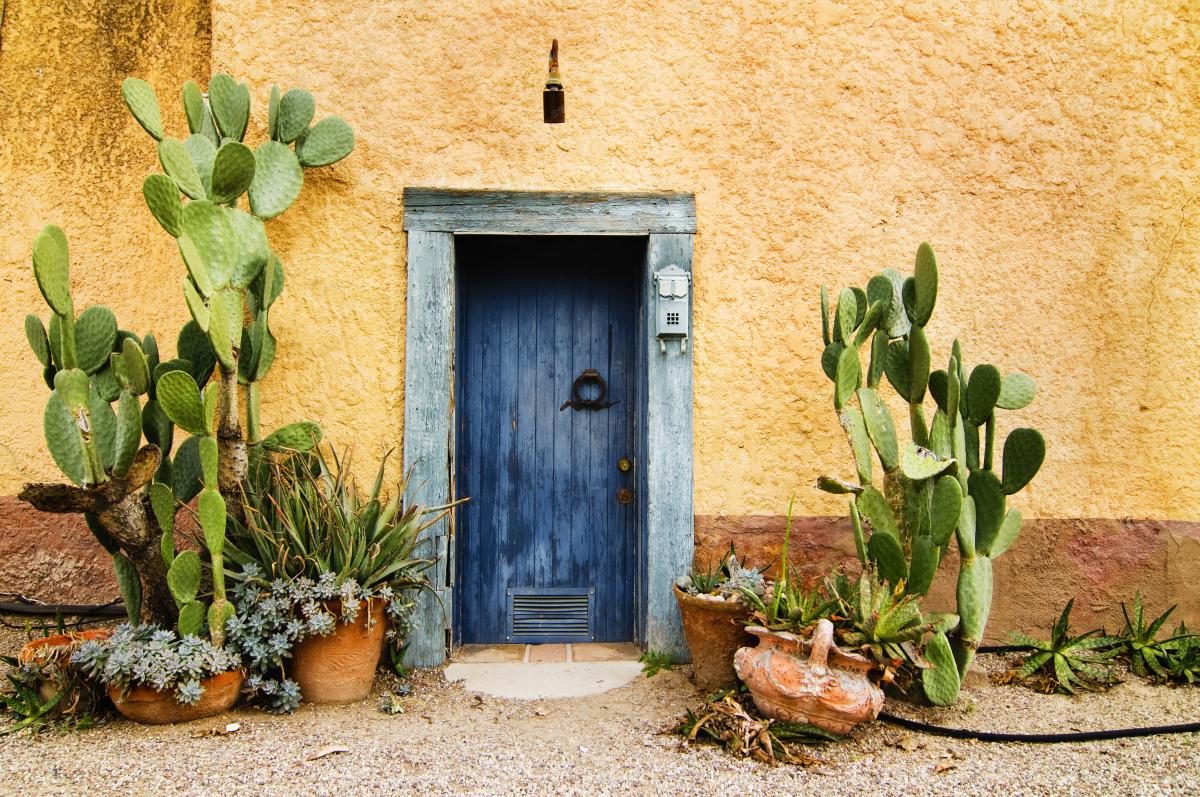
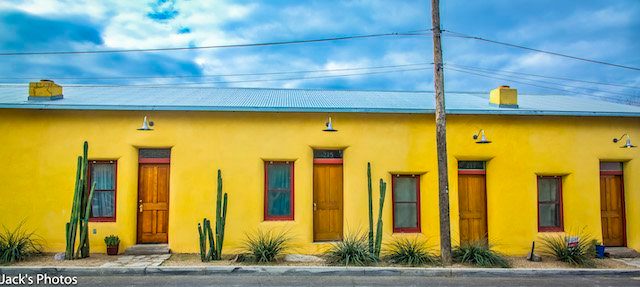
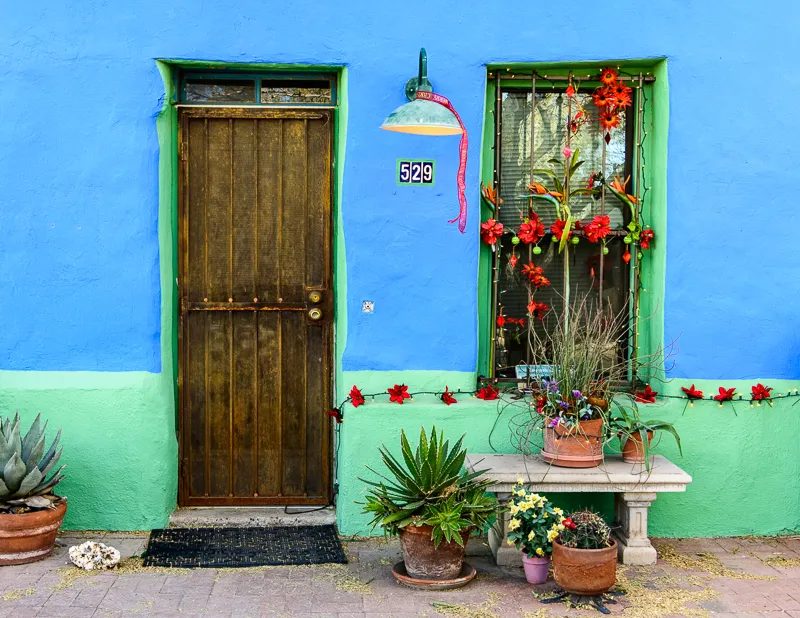
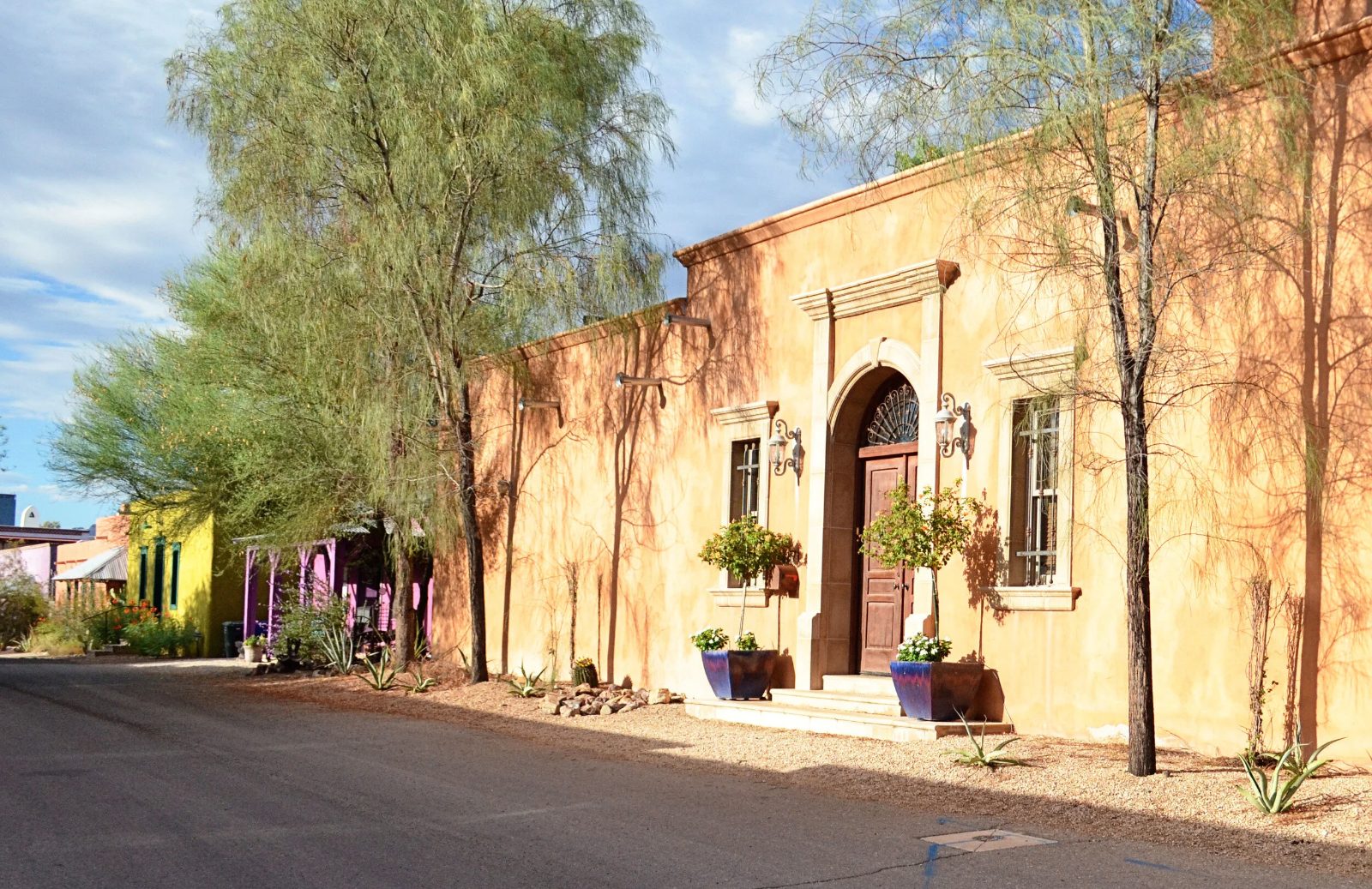
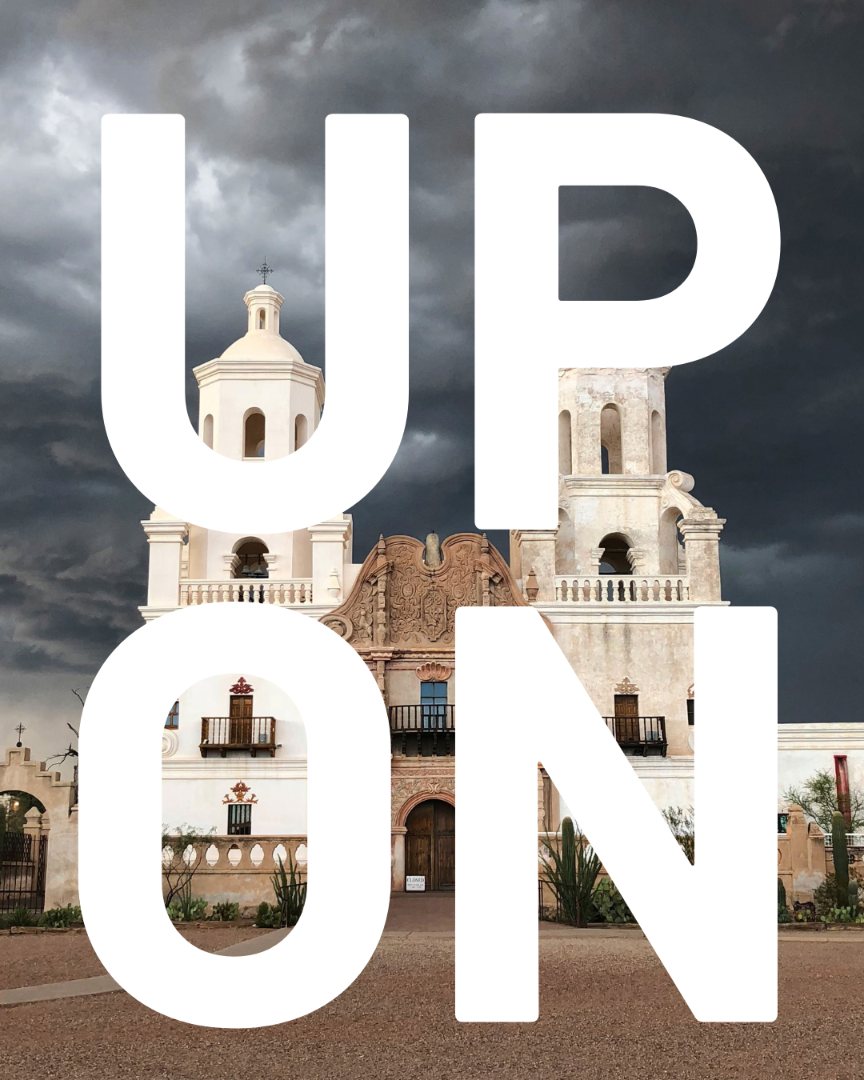
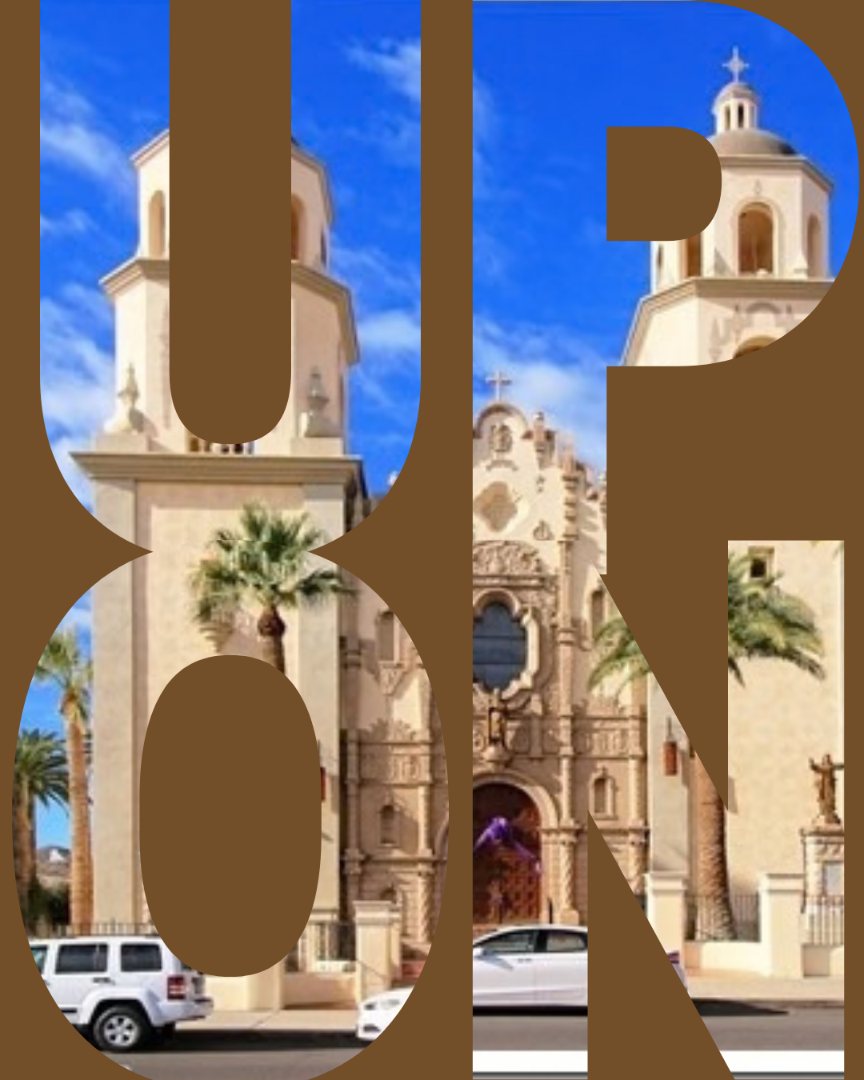
Architecture. Tucson's architectural influence dates back hundreds of years. From San Xavier del Bac to Barrio Viejo and other landmarks, it's a desert town unlike any other.
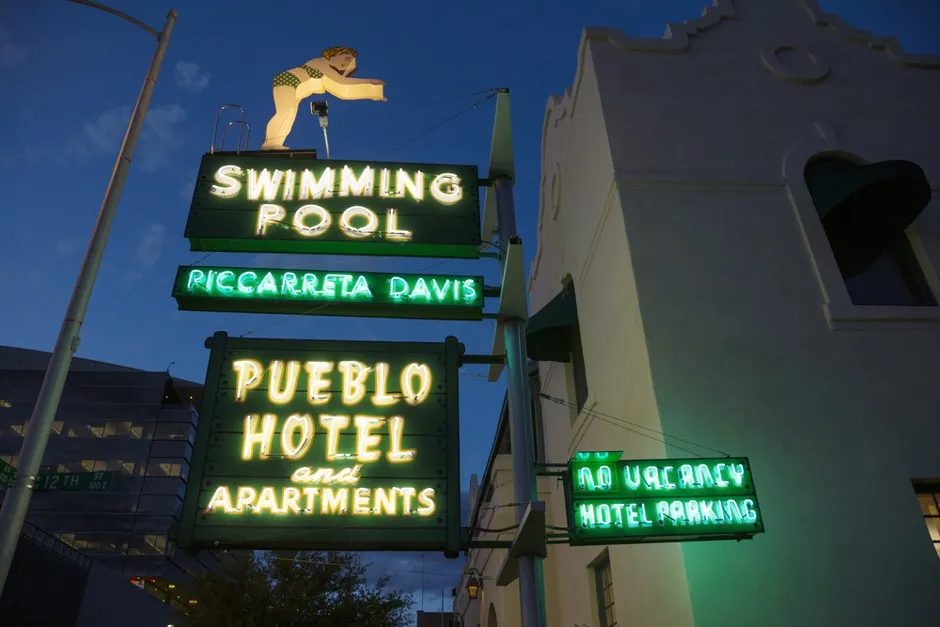
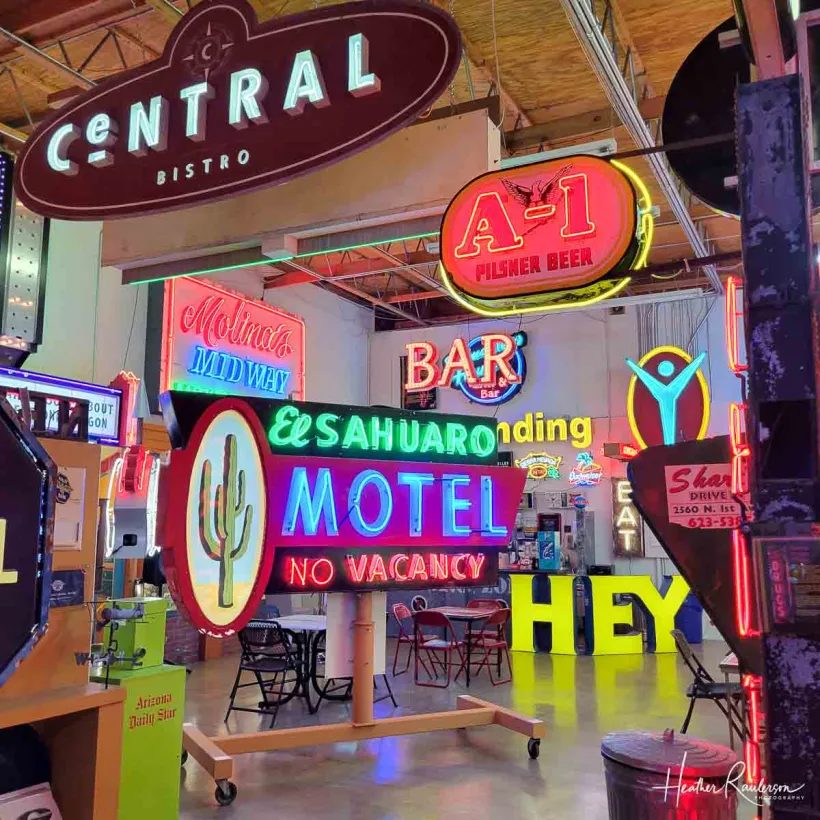
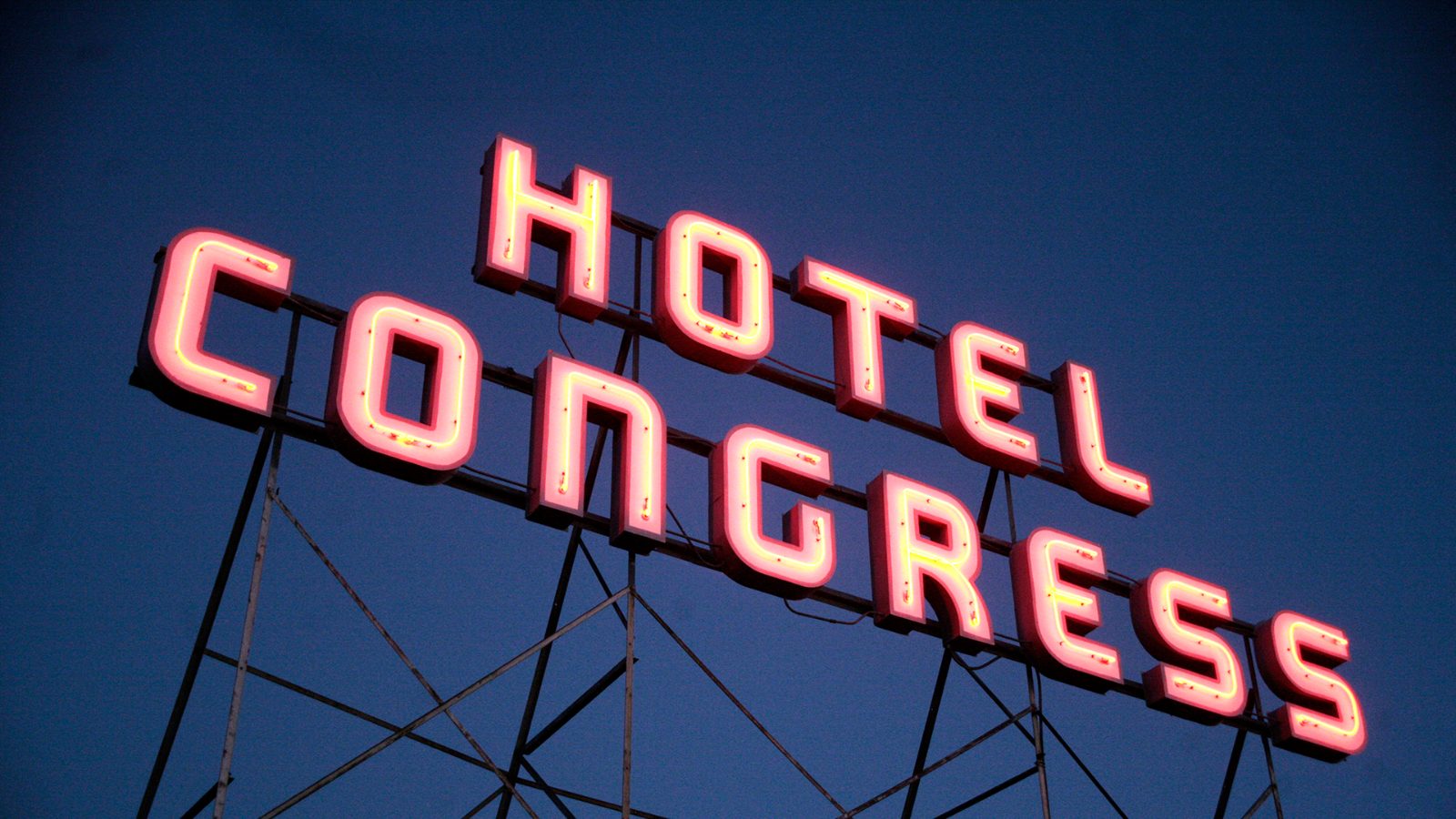
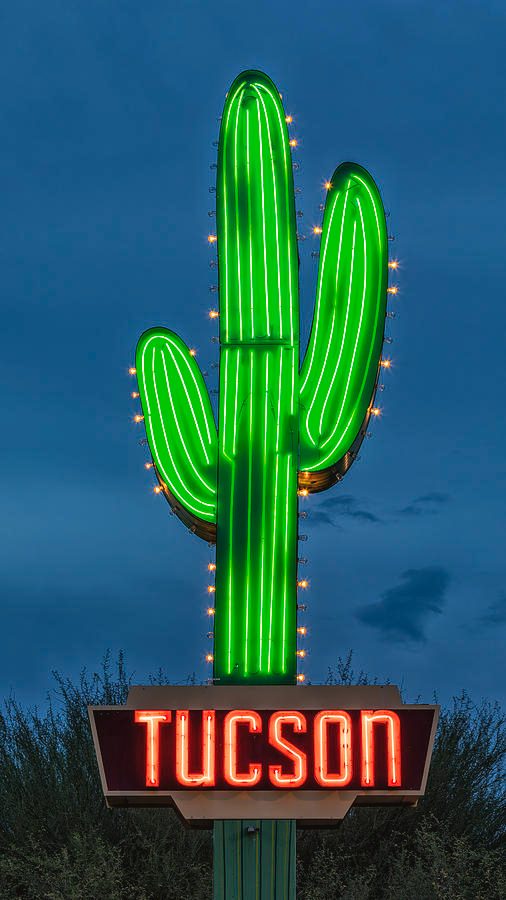
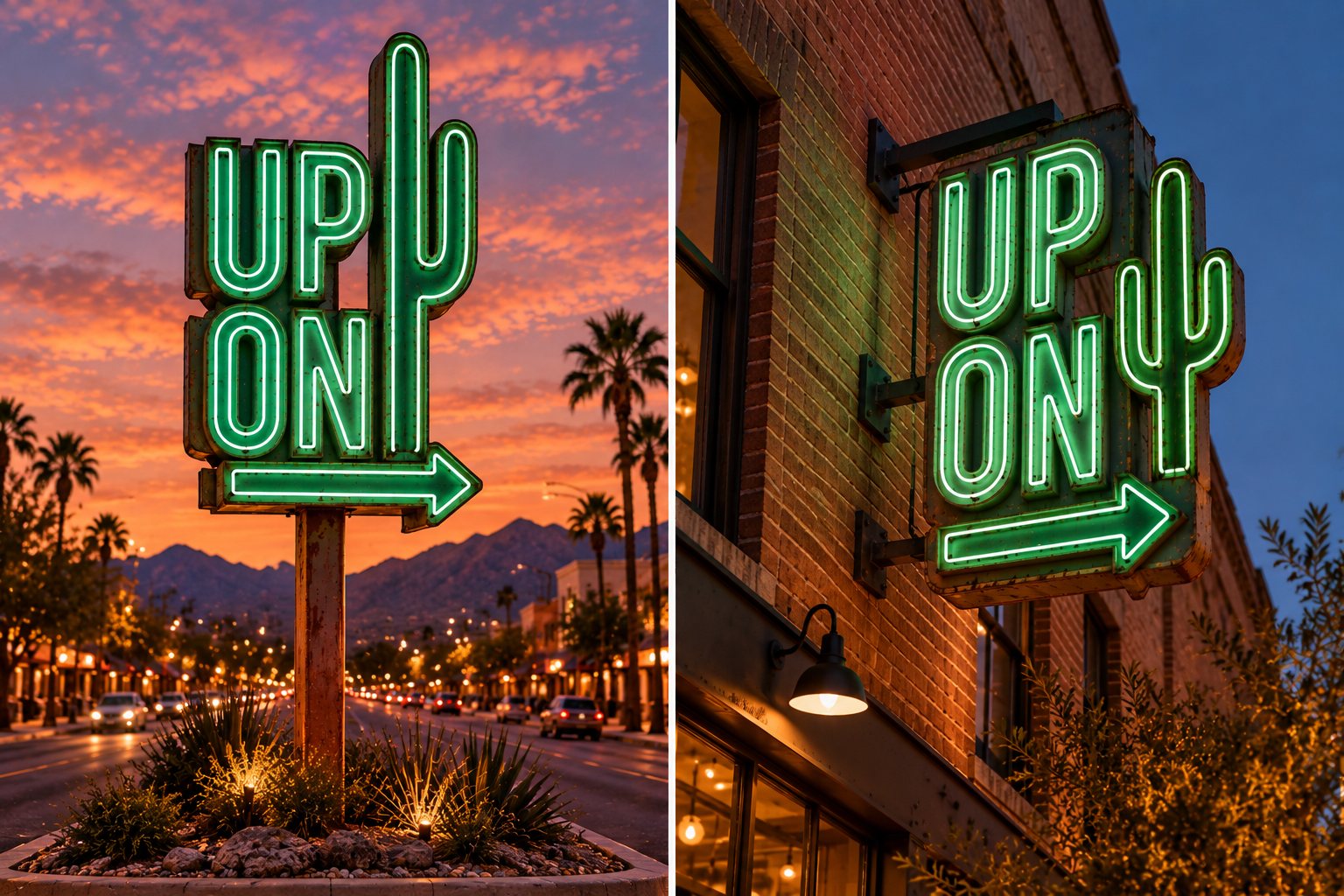
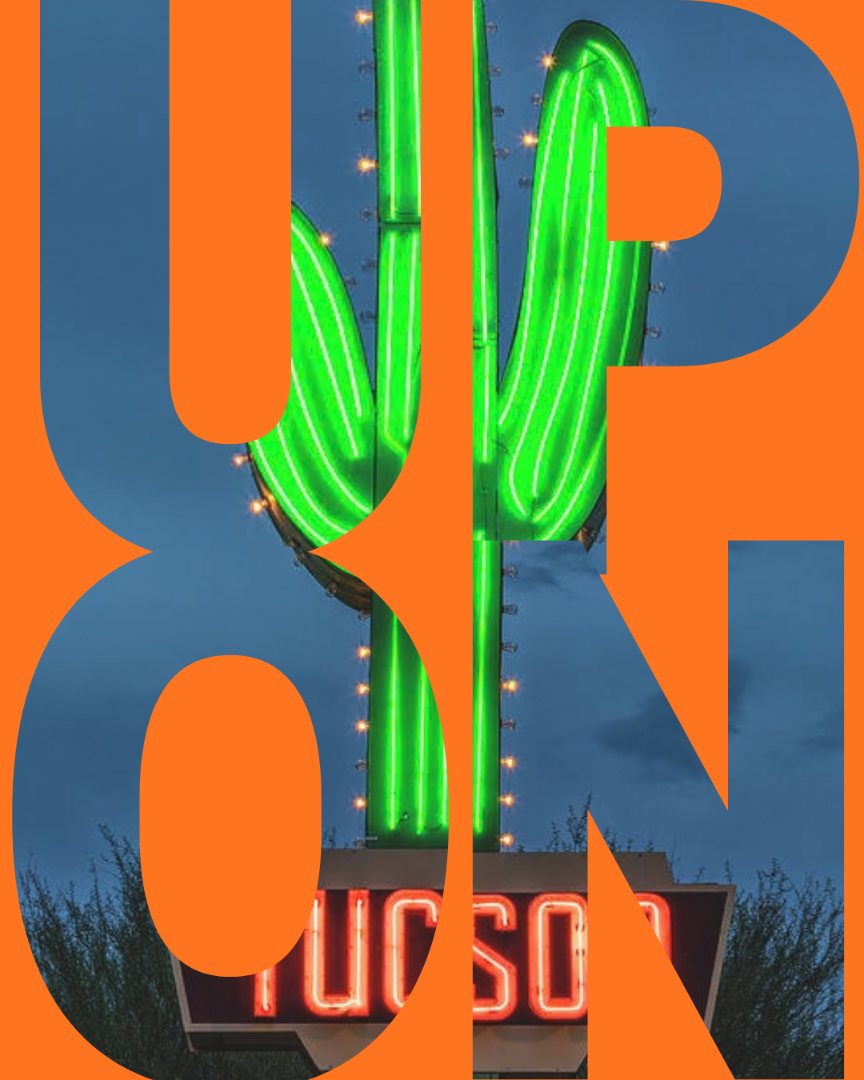
Neon. Tucson has a rich neon sign history. It was among the first towns to introduce neon, and it spread across the valley. Today it's home to one of the largest neon sign museums in the world, and the signs still dot street corners and buildings across the city.
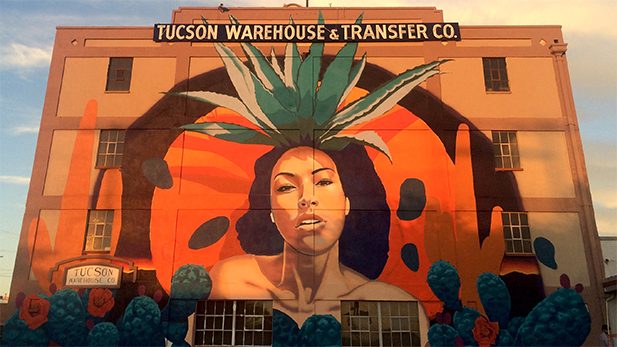
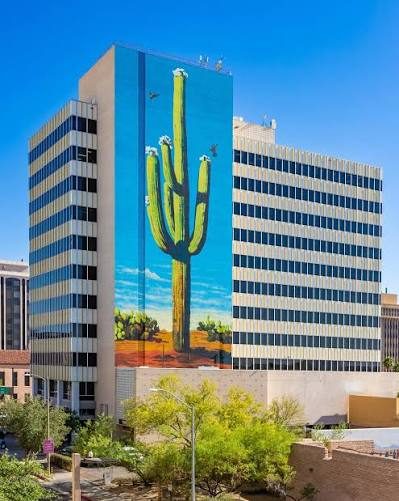
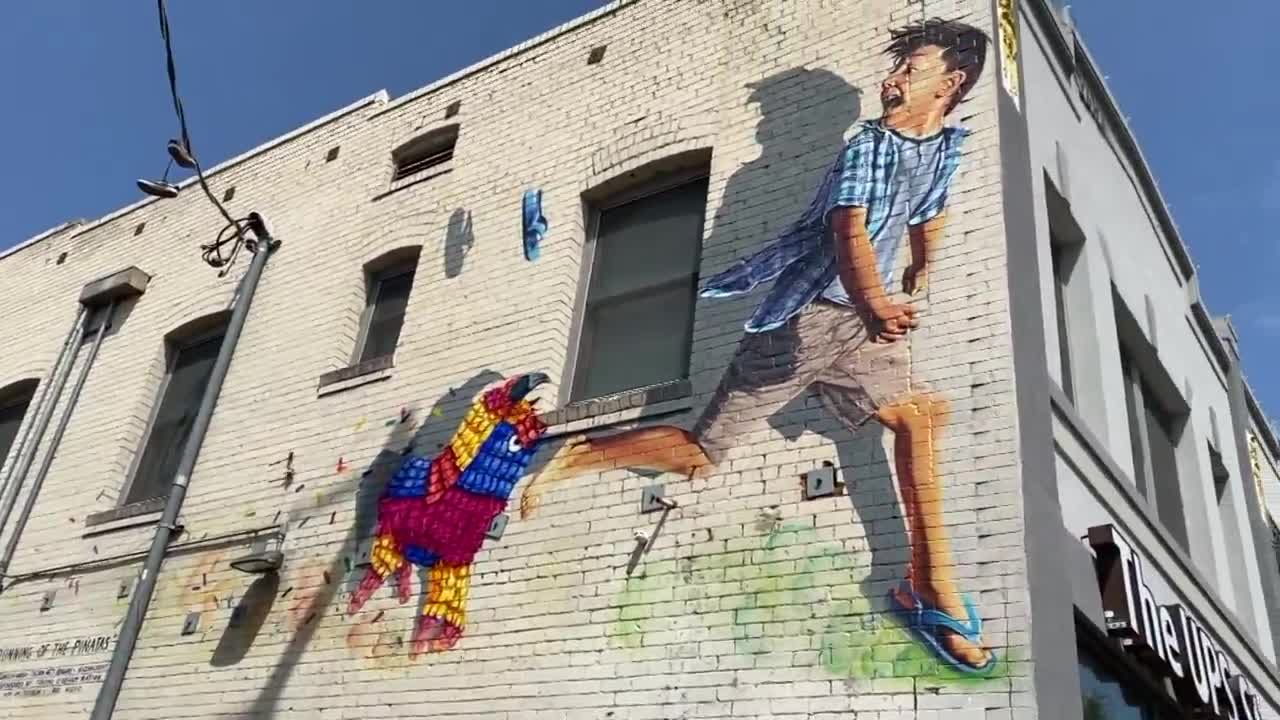
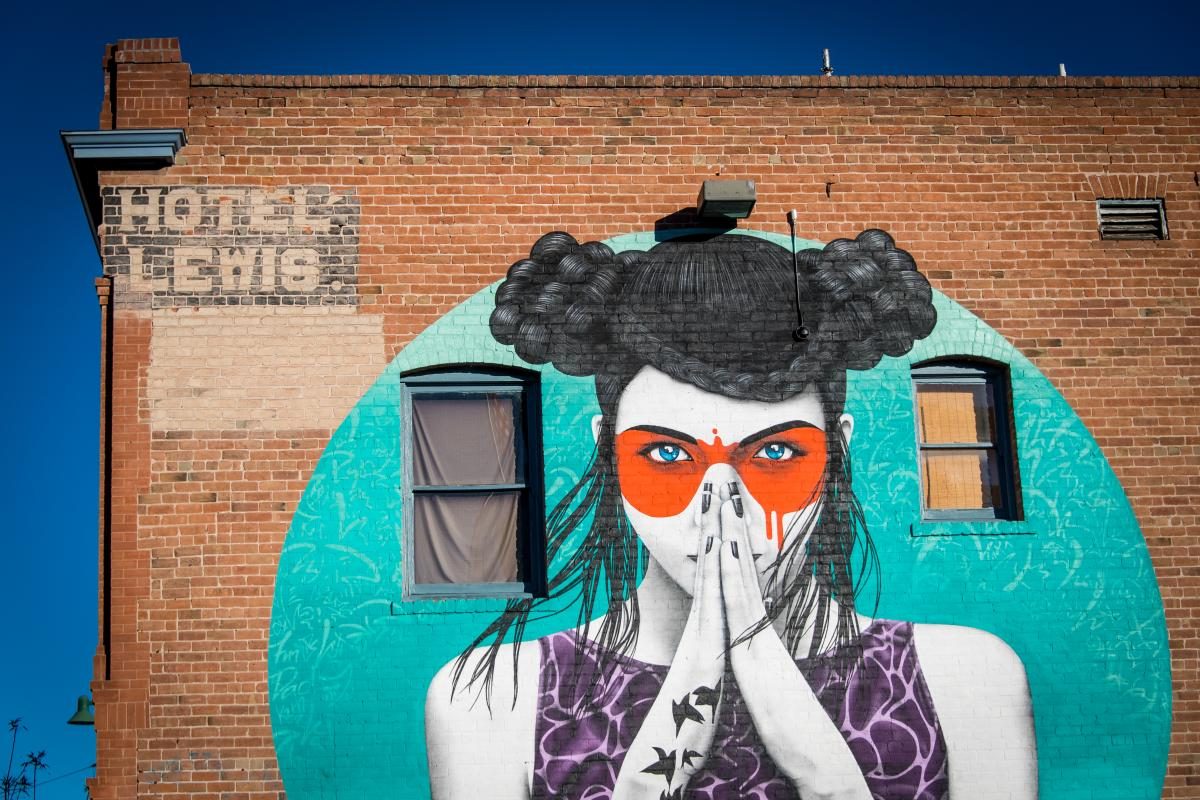
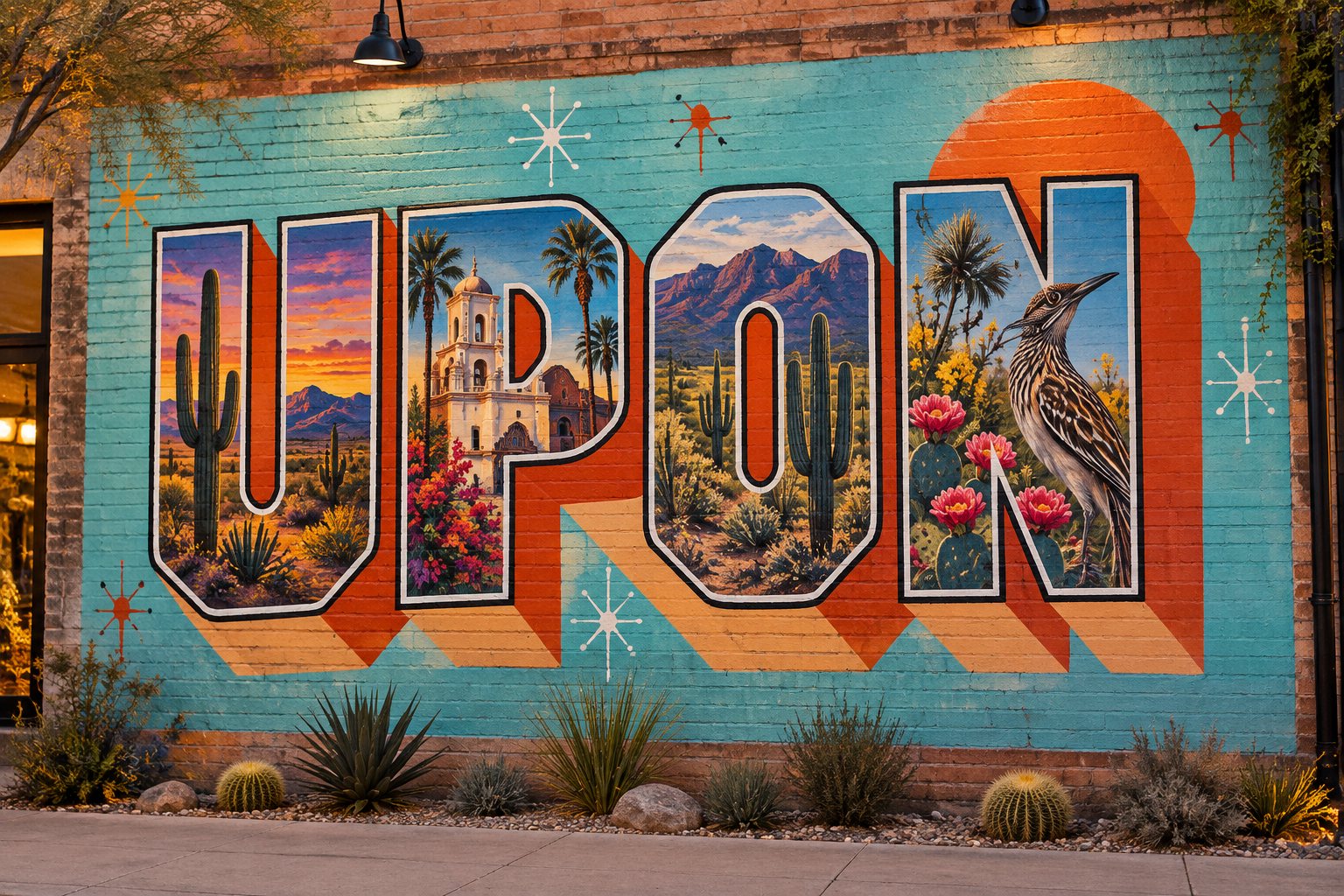
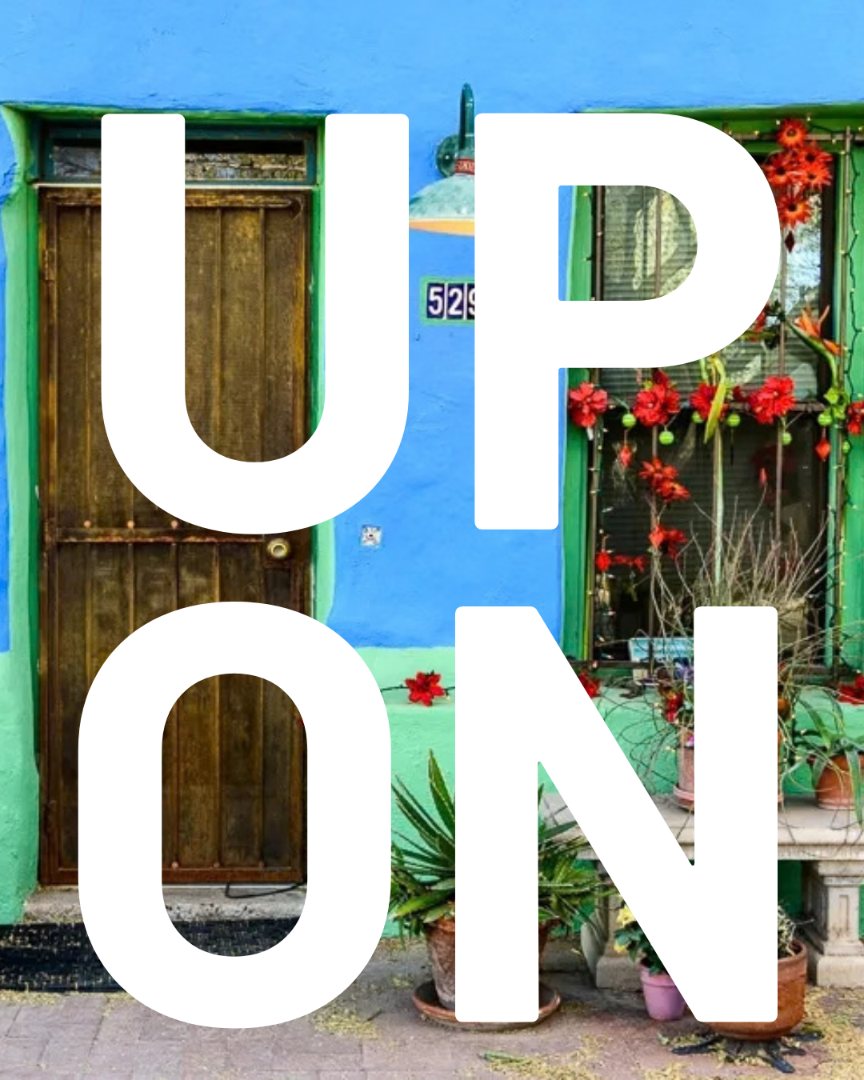
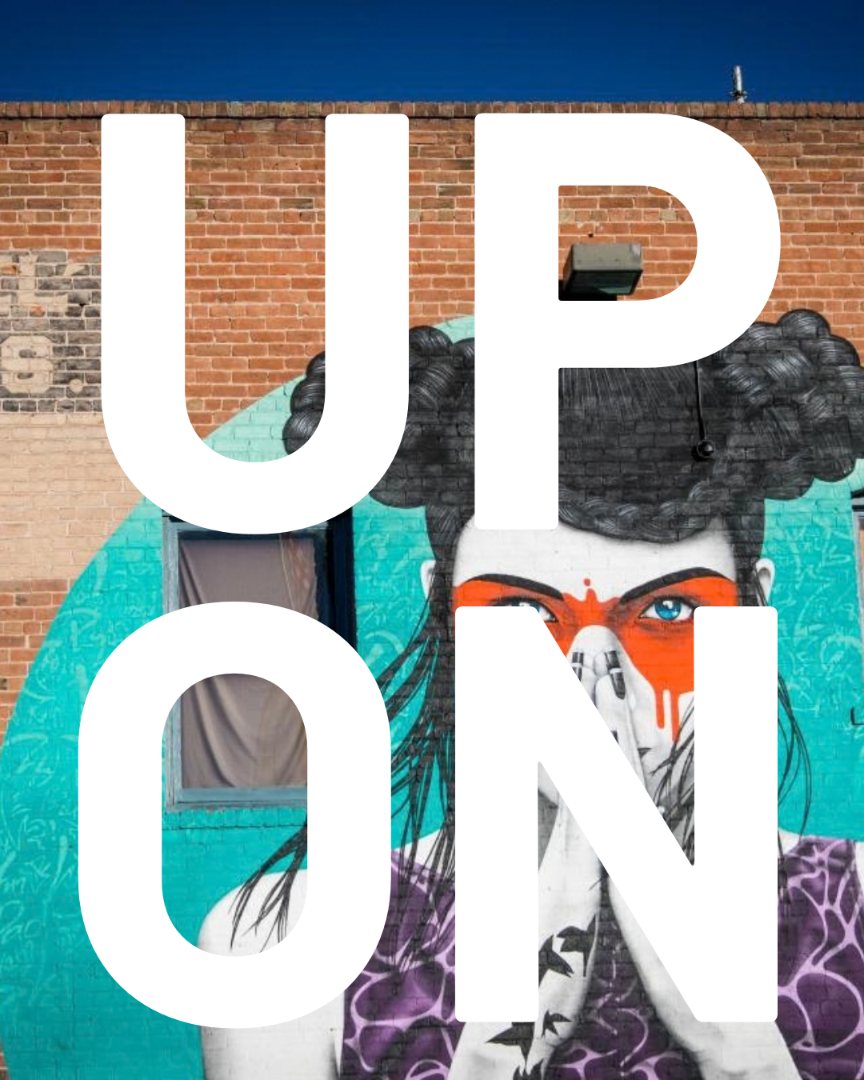
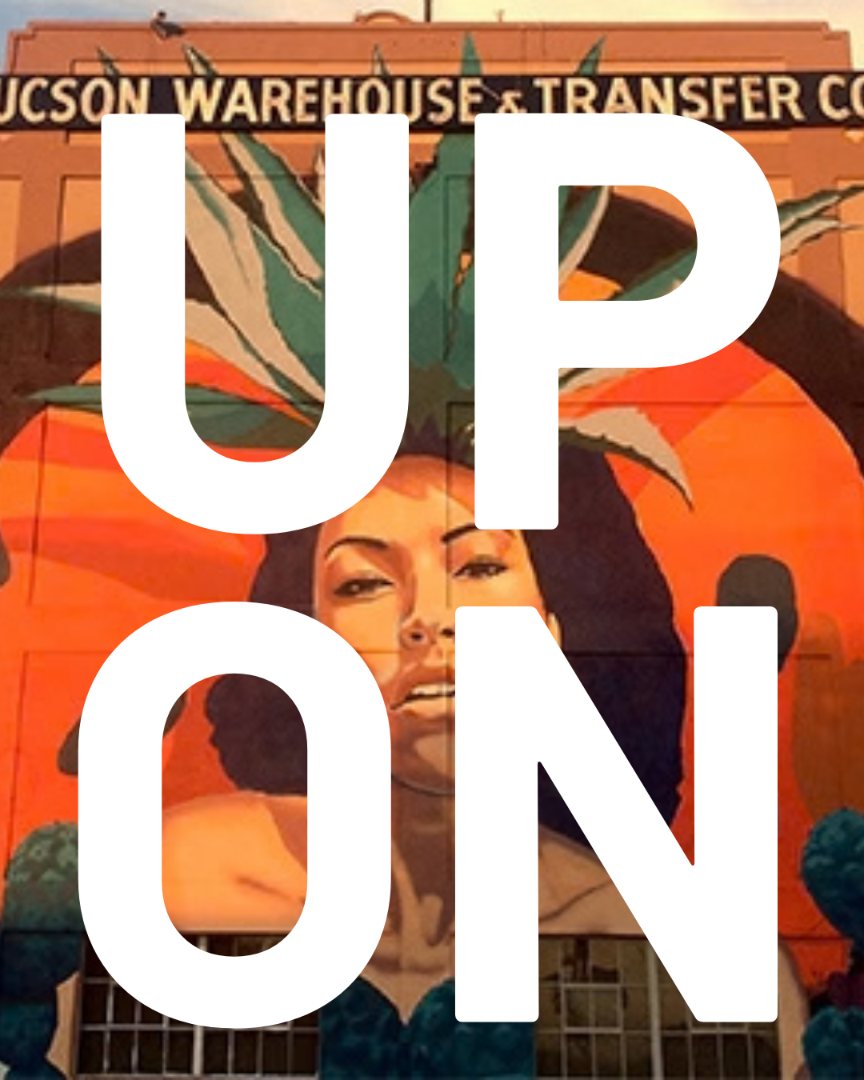
Murals. Tucson is one of the most colorful cities you'll see. Murals cover just about every blank wall, building sides, cinderblock walls. The city encourages it, even commissions it on some of its most prominent buildings. These murals are distinct, ownable, something Tucson owns.
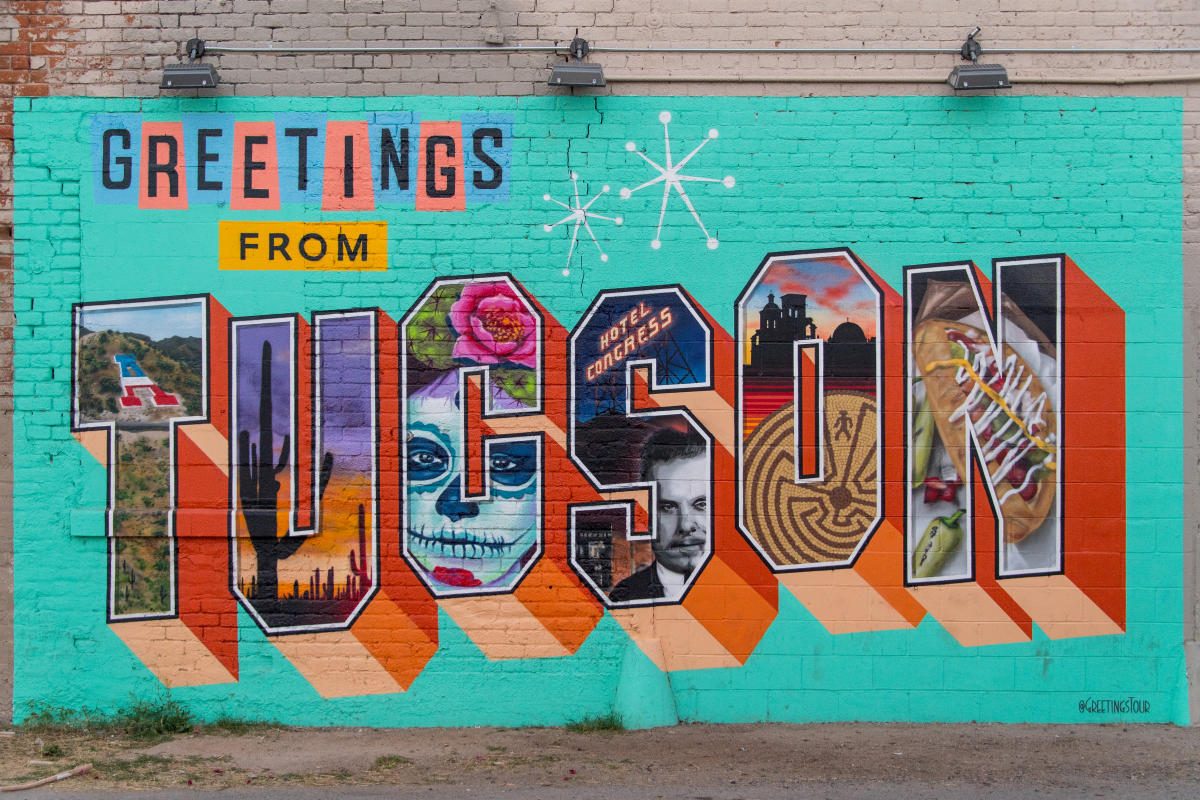
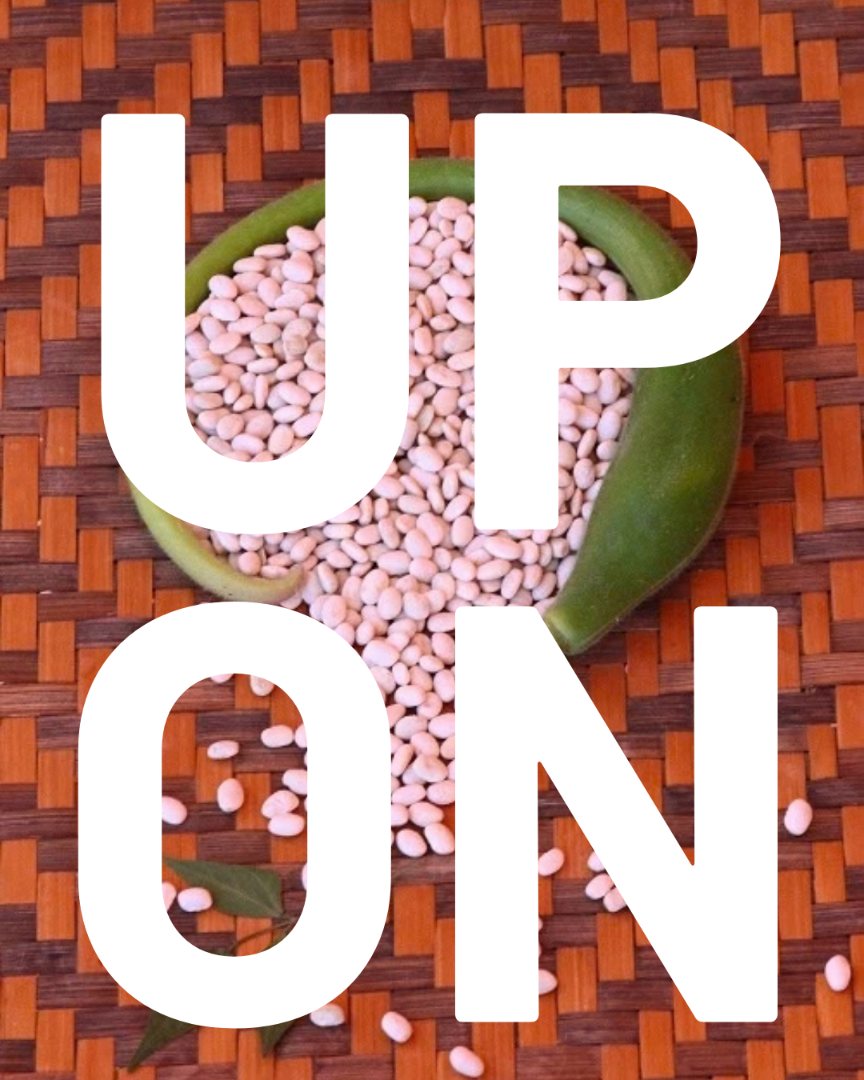
Food. Tucson is a UNESCO City of Gastronomy. Its food culture dates back hundreds of years to the Tohono O'odham cultivating the land. Locals gravitate toward local dining, several of which have won James Beard Awards.
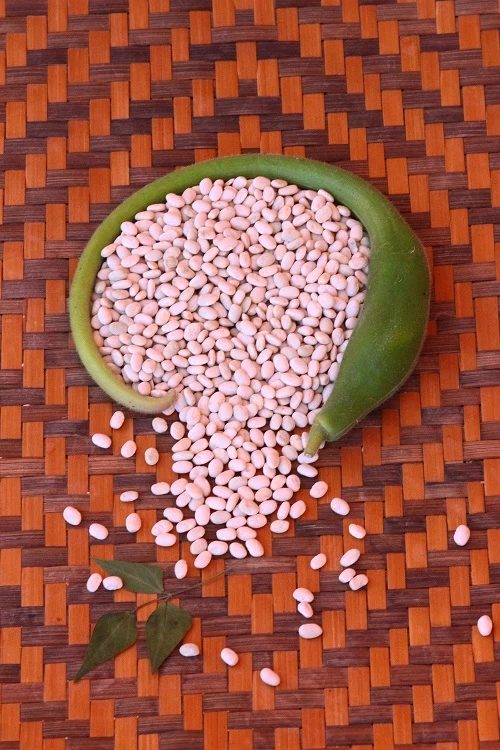
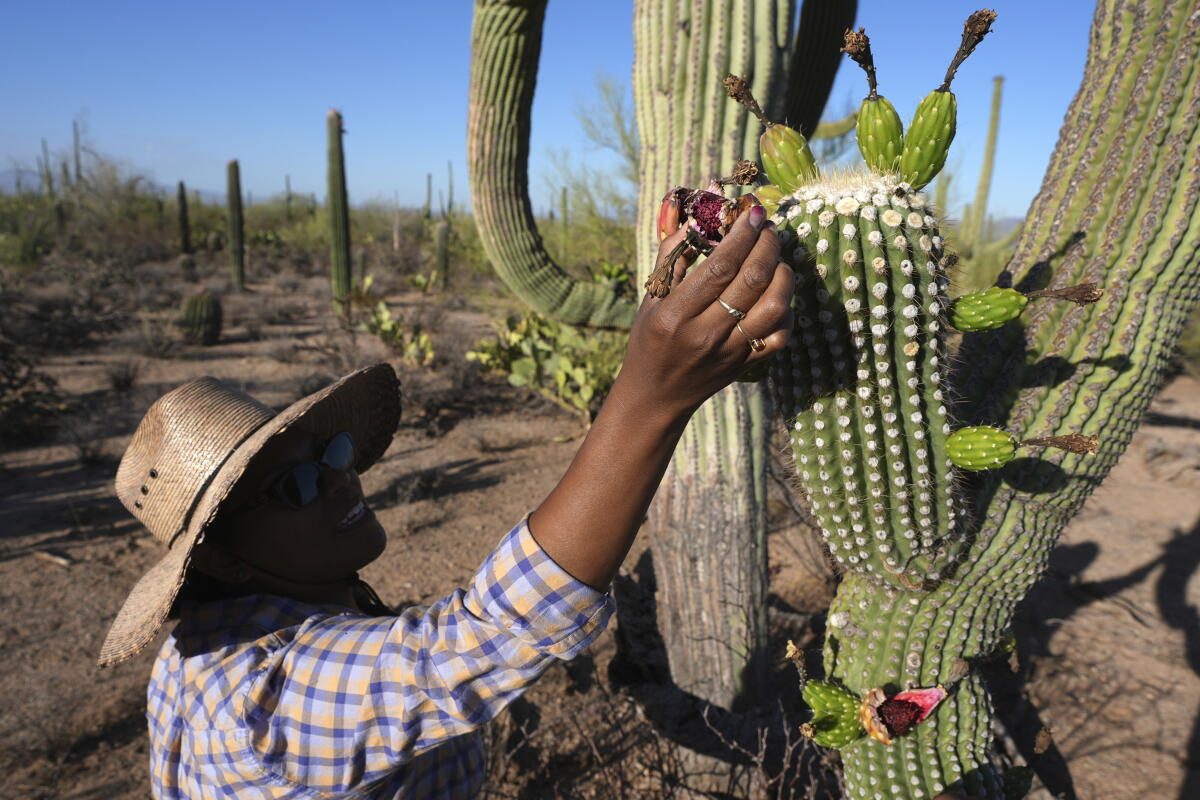
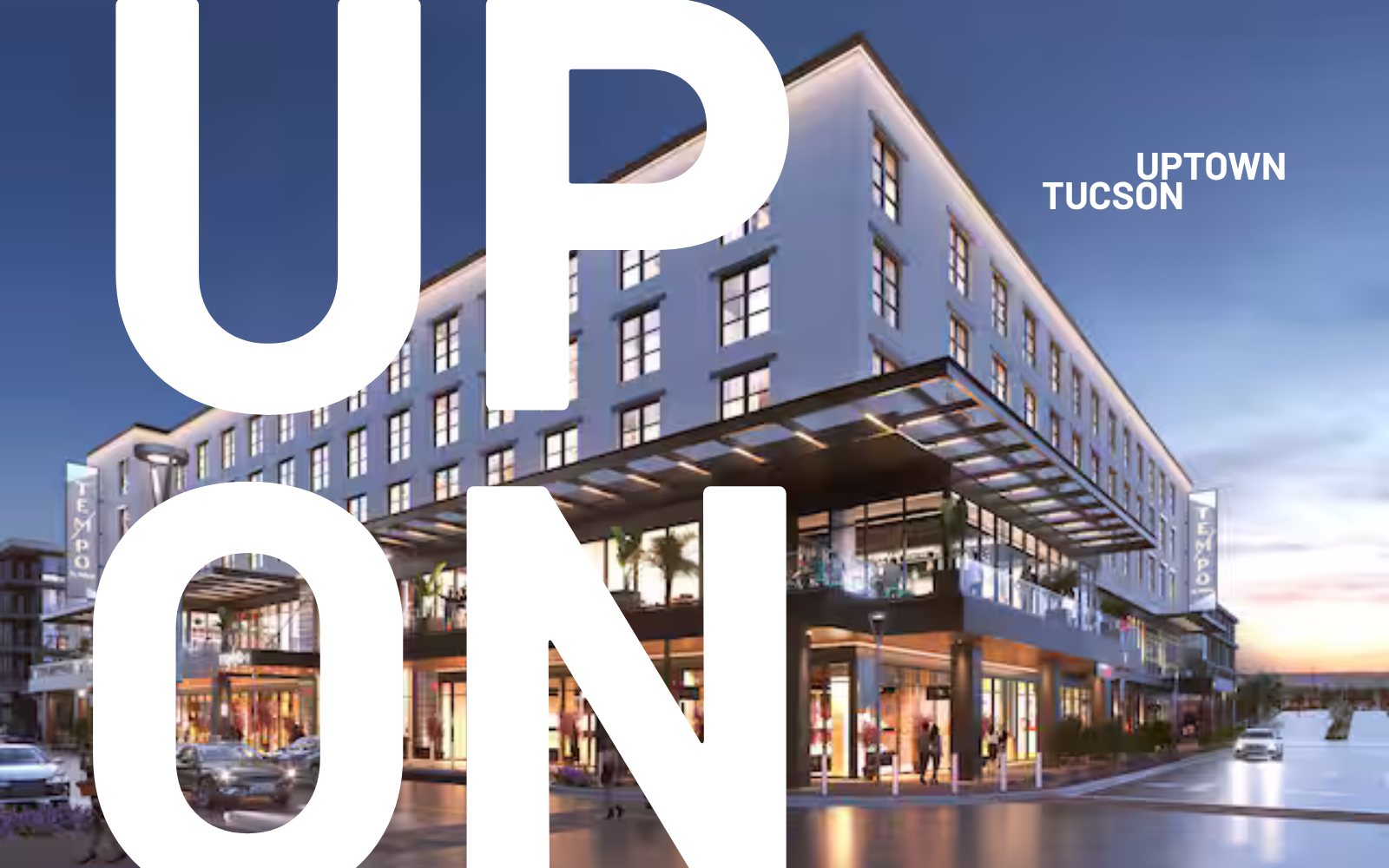
Any or all of these rich, cultural elements would be a great starting point, but not in just a broken amalgamation of things that already exist elsewhere. It should celebrate them, nod towards them, and pull influence and energy from them. That's what keeps Uptown from becoming just another outdoor mall, which is exactly what I'm worried it's turning into. A nice one, no doubt, but perhaps devoid of an authentic personality. Here's some renderings and photos of what is planned and already being built. It will look nice, if not a bit like it could be anywhere. You be the judge.
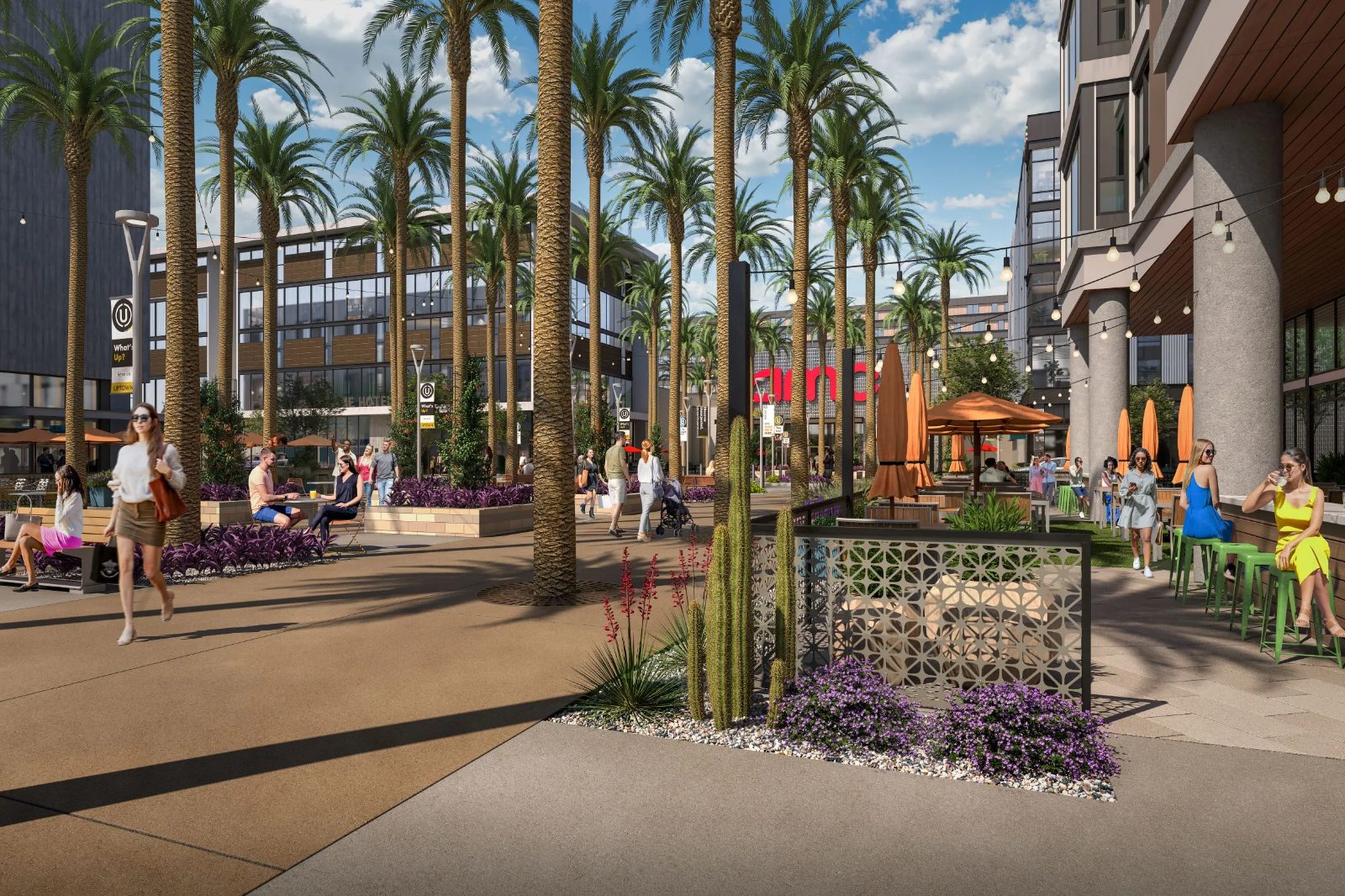
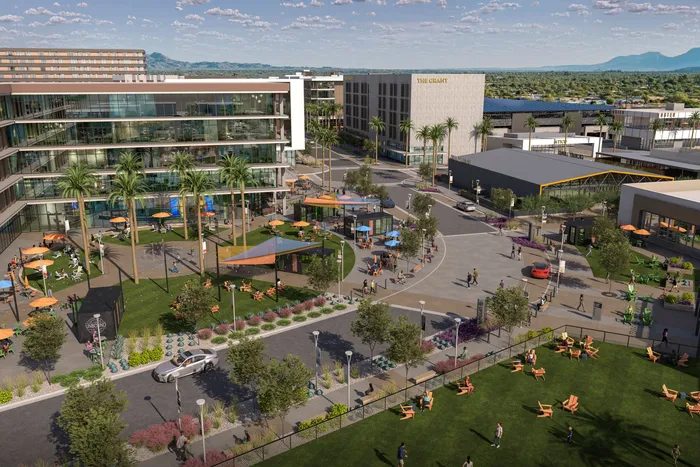
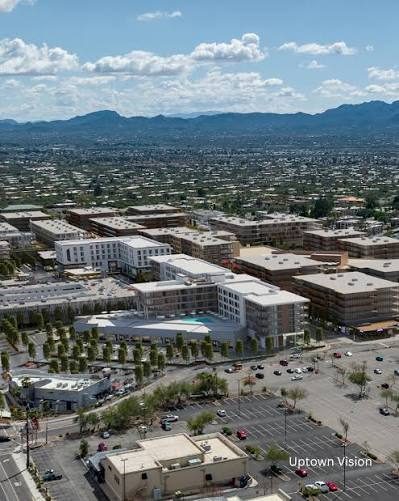
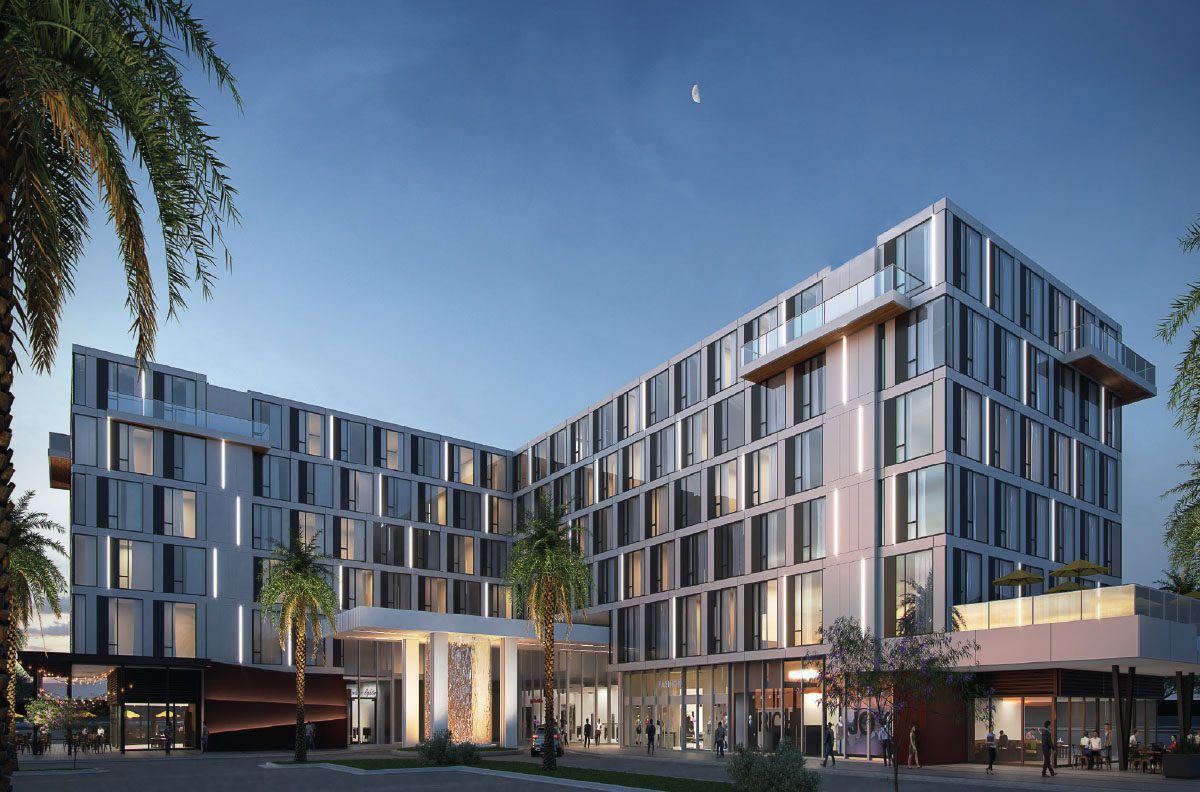
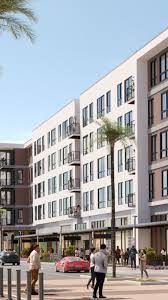
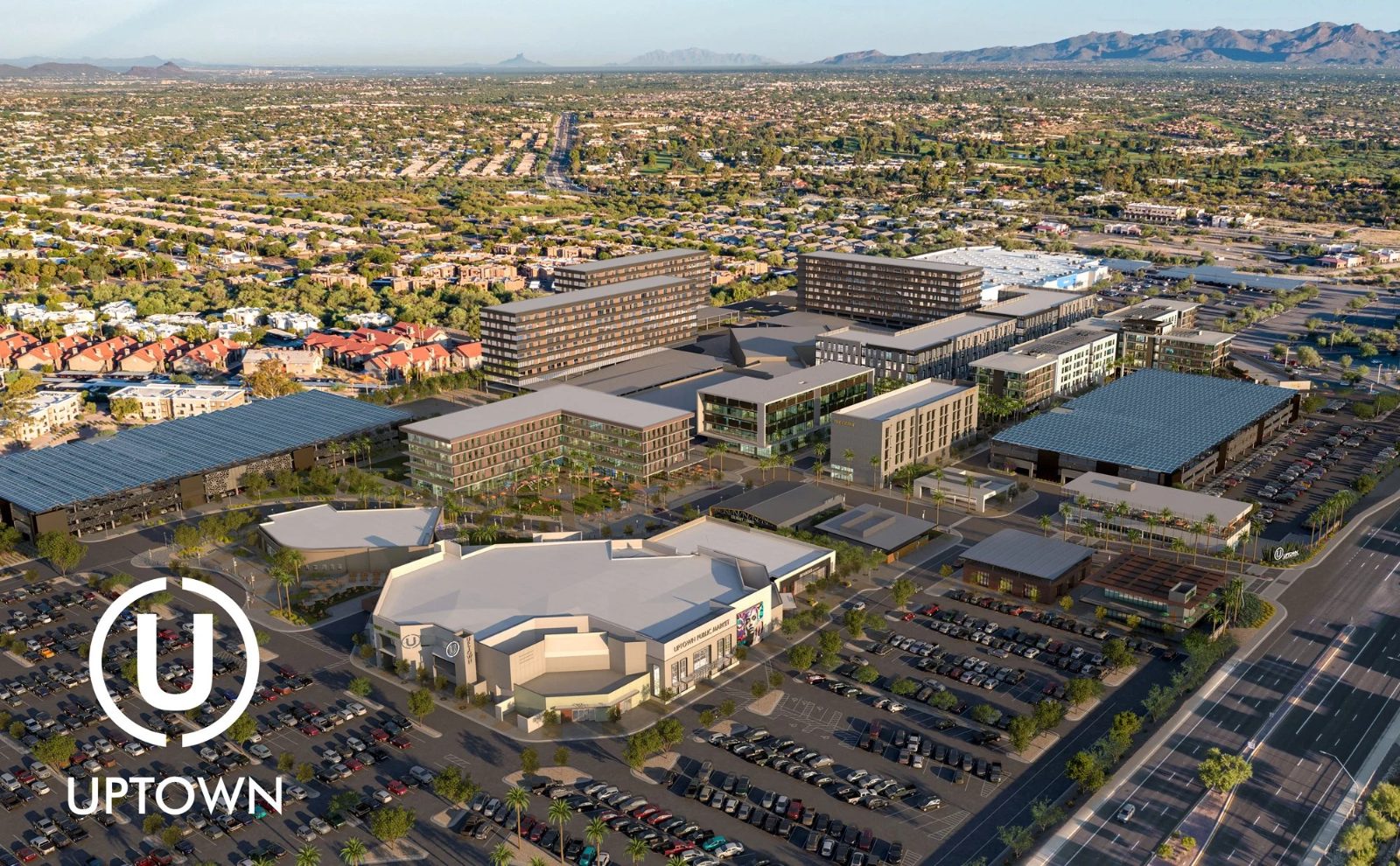
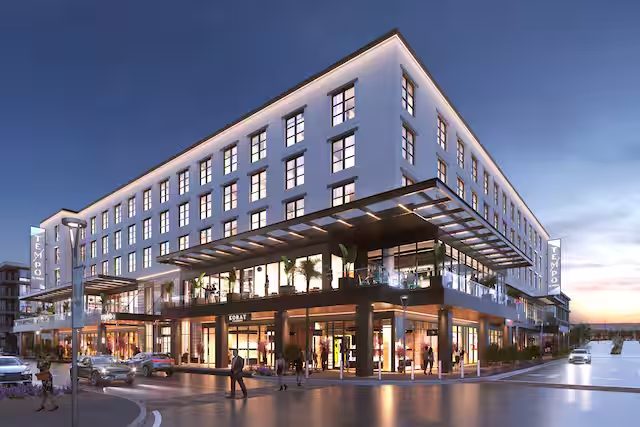
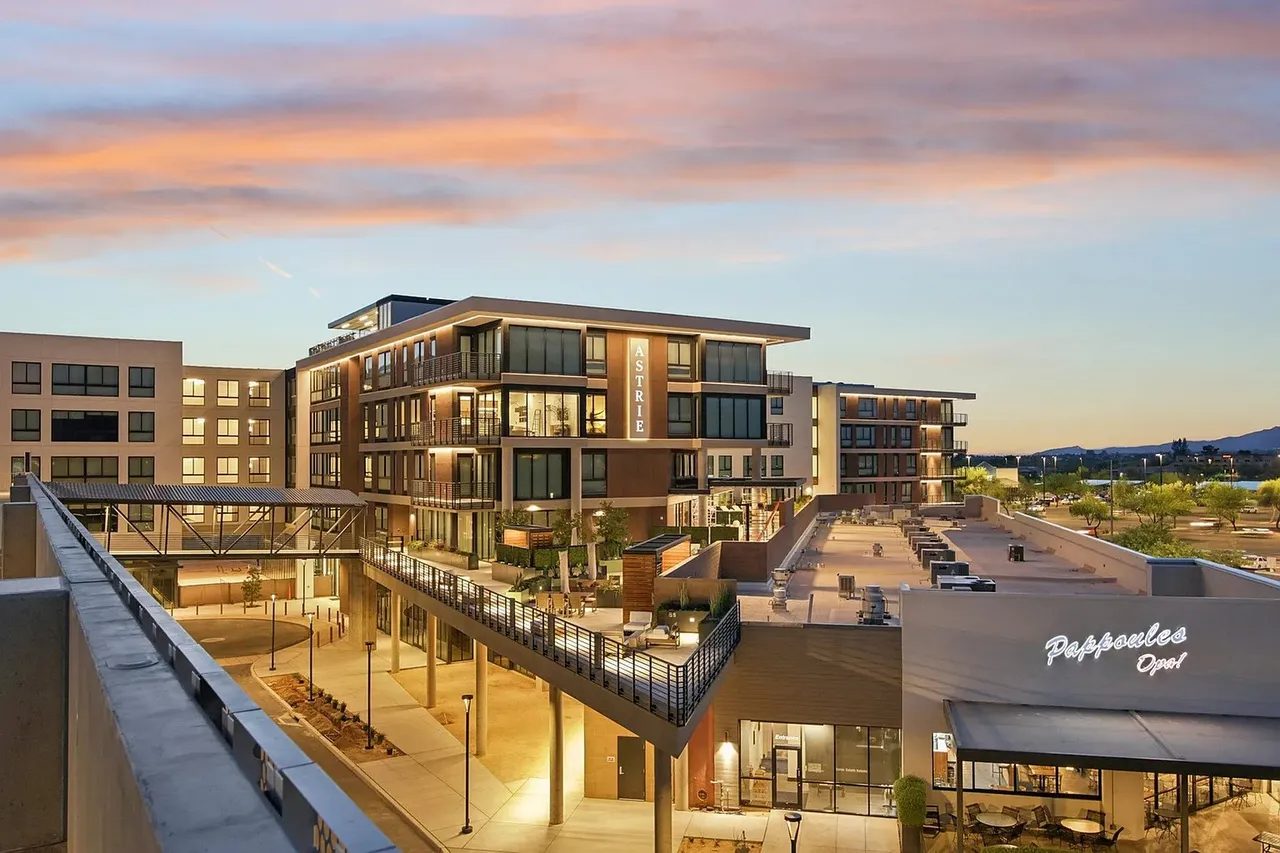
I get the restraints on a project of this scale and the need to focus on profitability, but not at the expense of a "personality". I'm also intimately aware that one of the goals of the project is to NOT be Tucson. To offer something new and upscale. But ignoring who or where you are tends to create inauthentic brands and places. Great brands are inspired by real things: history, human emotions, culture, personalities, the environment and more—all to create a one-of-a-kind experience, whether that's a physical environment like this project or even a SaaS product. Of course, you still have to deliver on it in a way that's unique, original, memorable, and authentic.
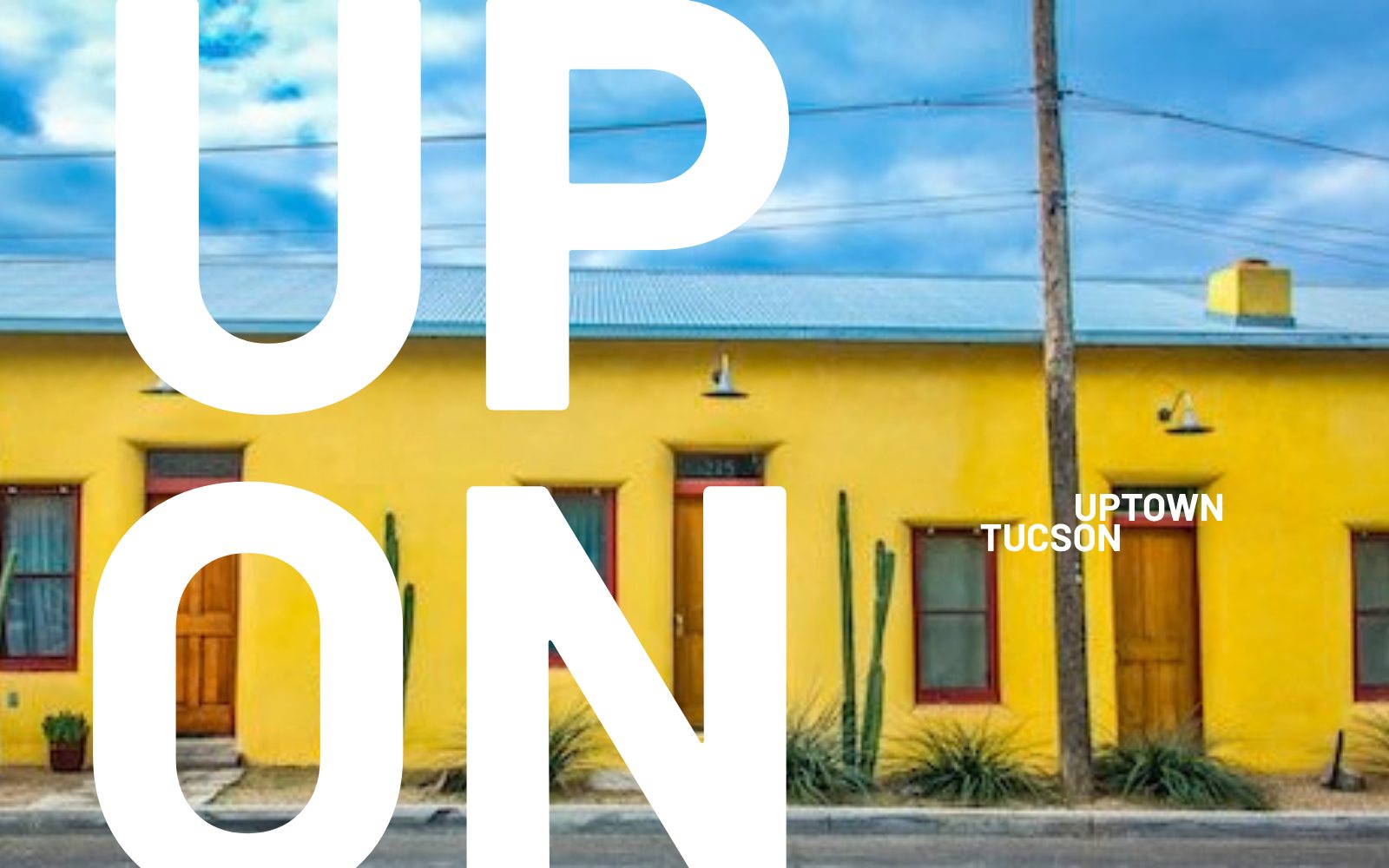
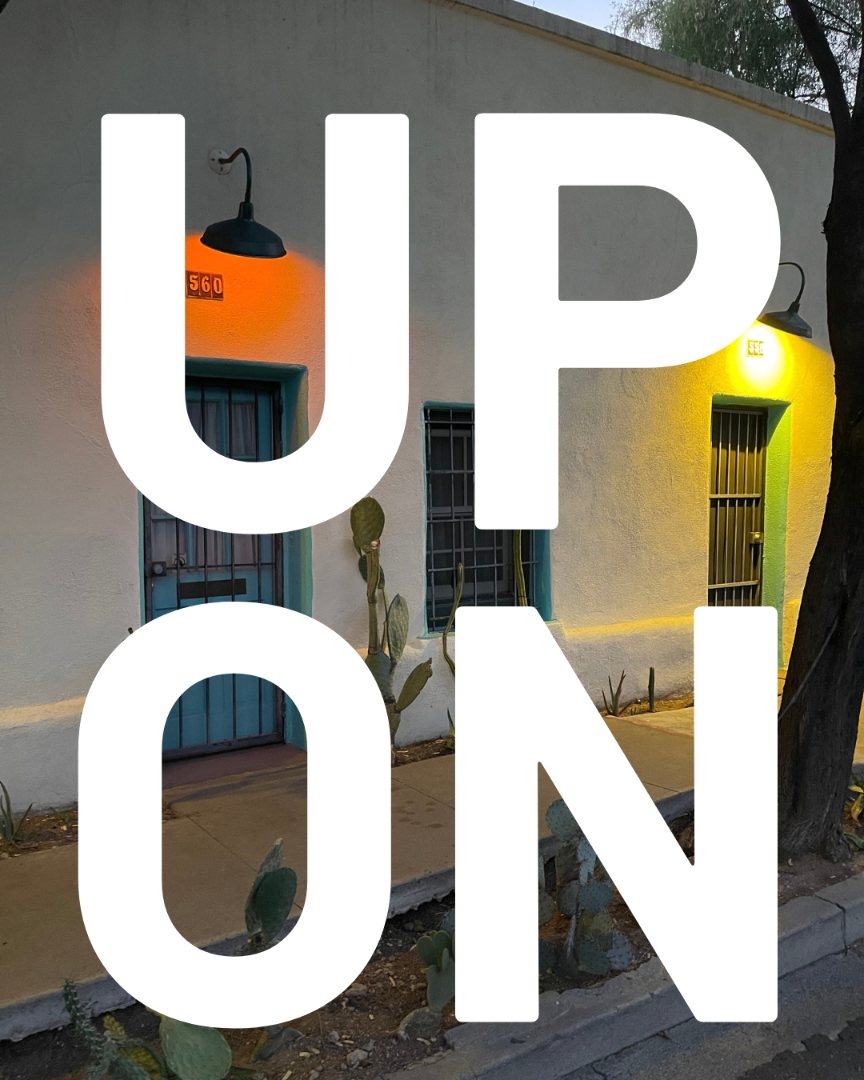
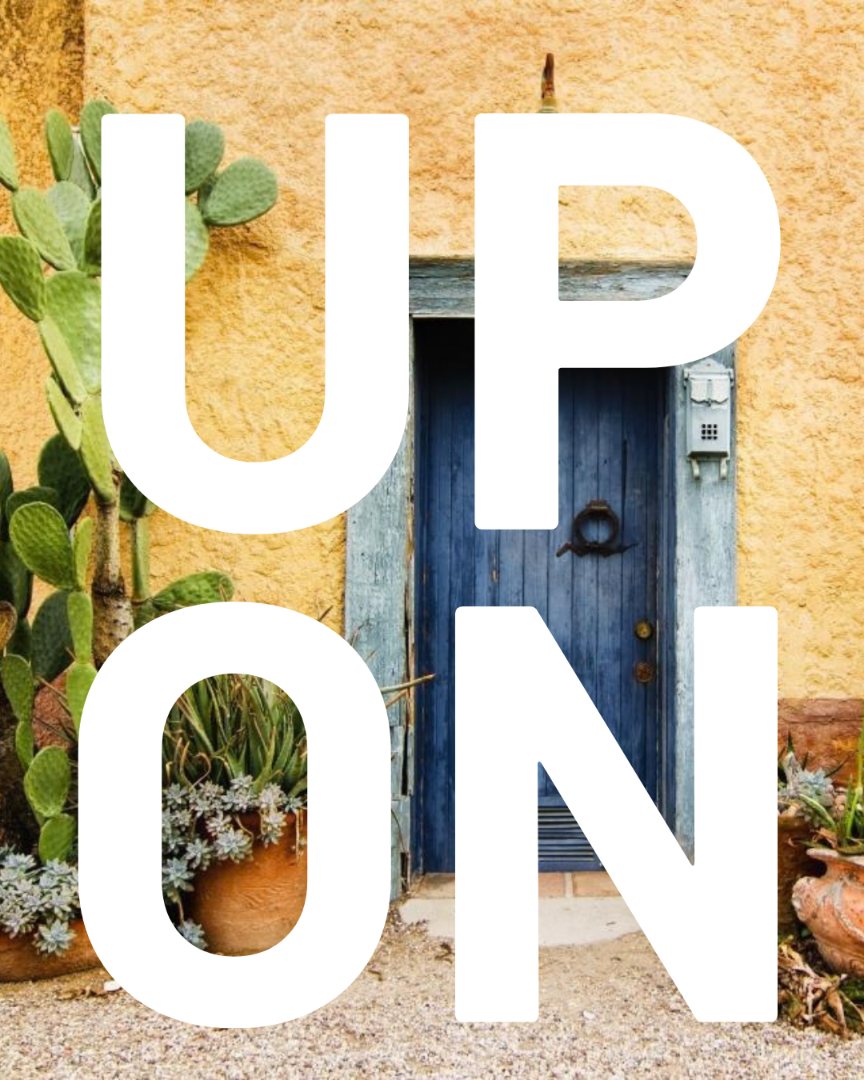
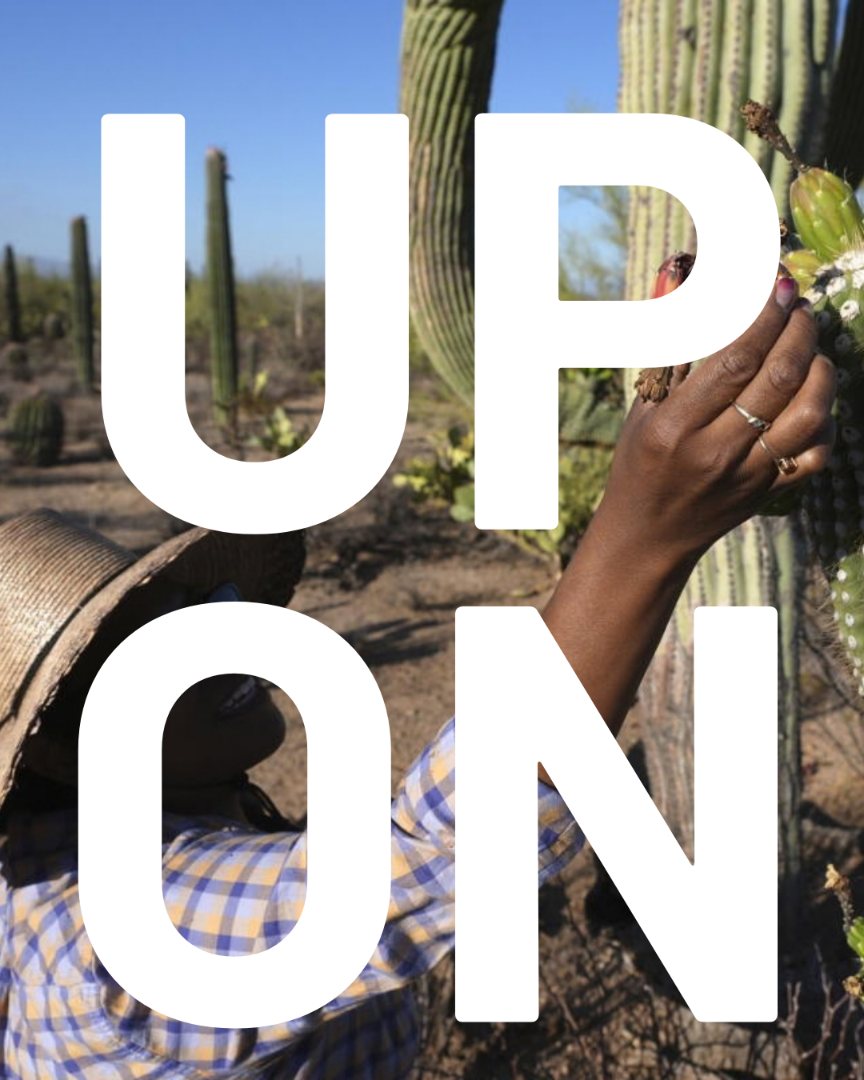
Here's a campaign concept of how I would have begun to set up the story and deliver on the unique brand promise of Uptown.
The Story. Tucson's history is a mix of cultures: Spanish settlers, indigenous tribes, the cowboys who came and settled the valley. Diverse, unique, and it paints a genuinely interesting story. That story starts with the name of the project itself.
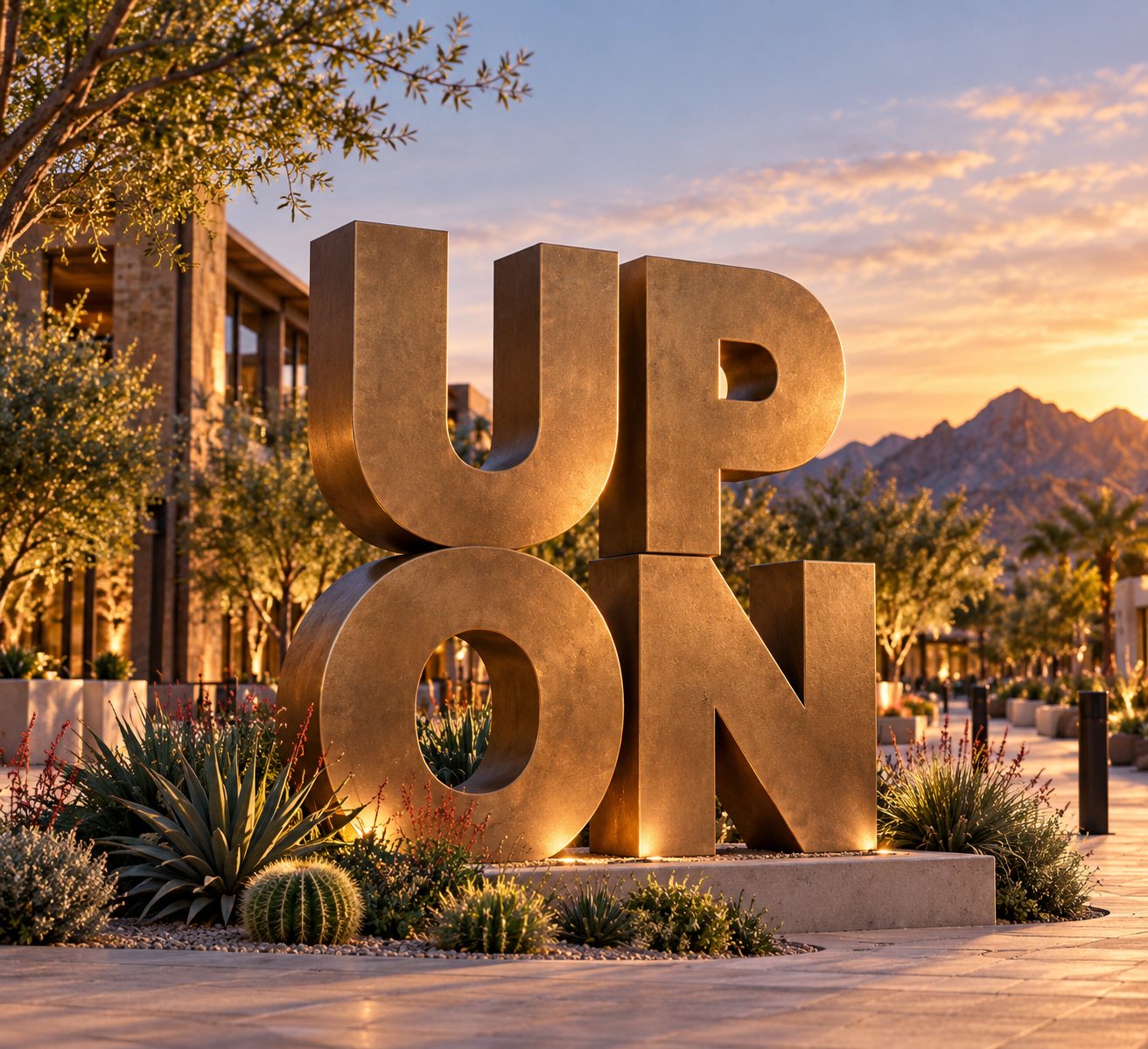
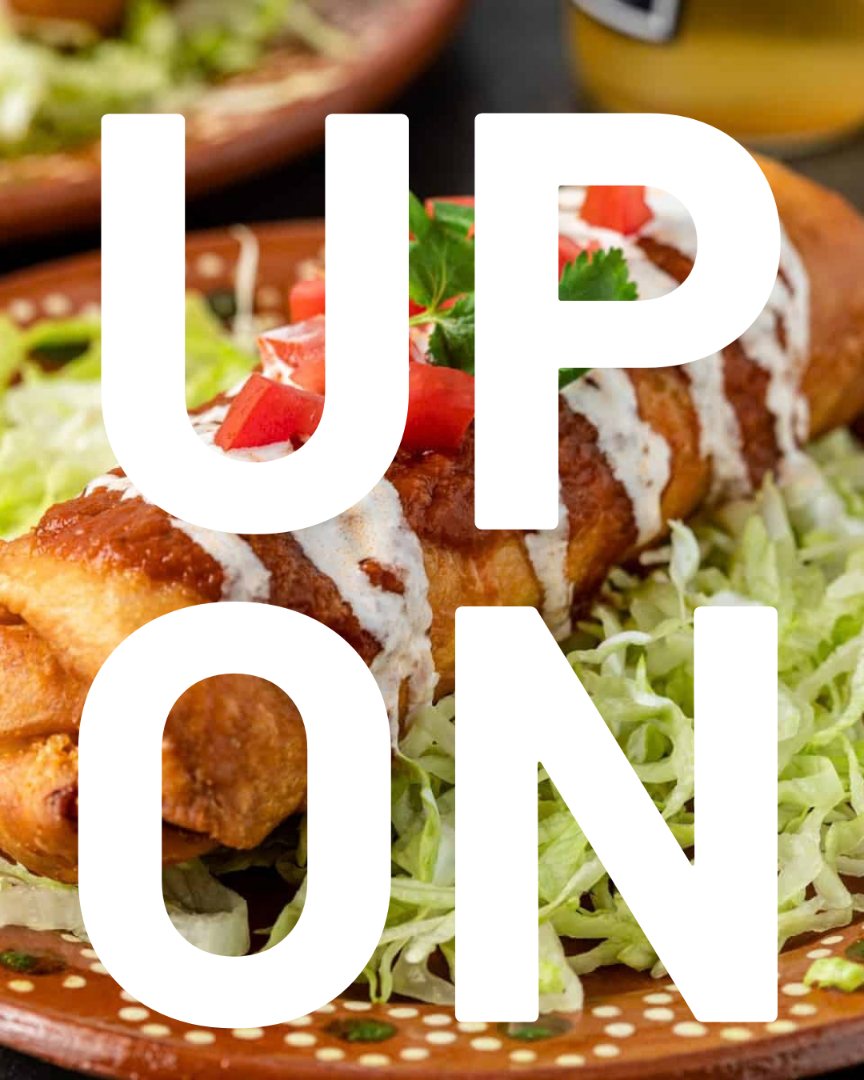
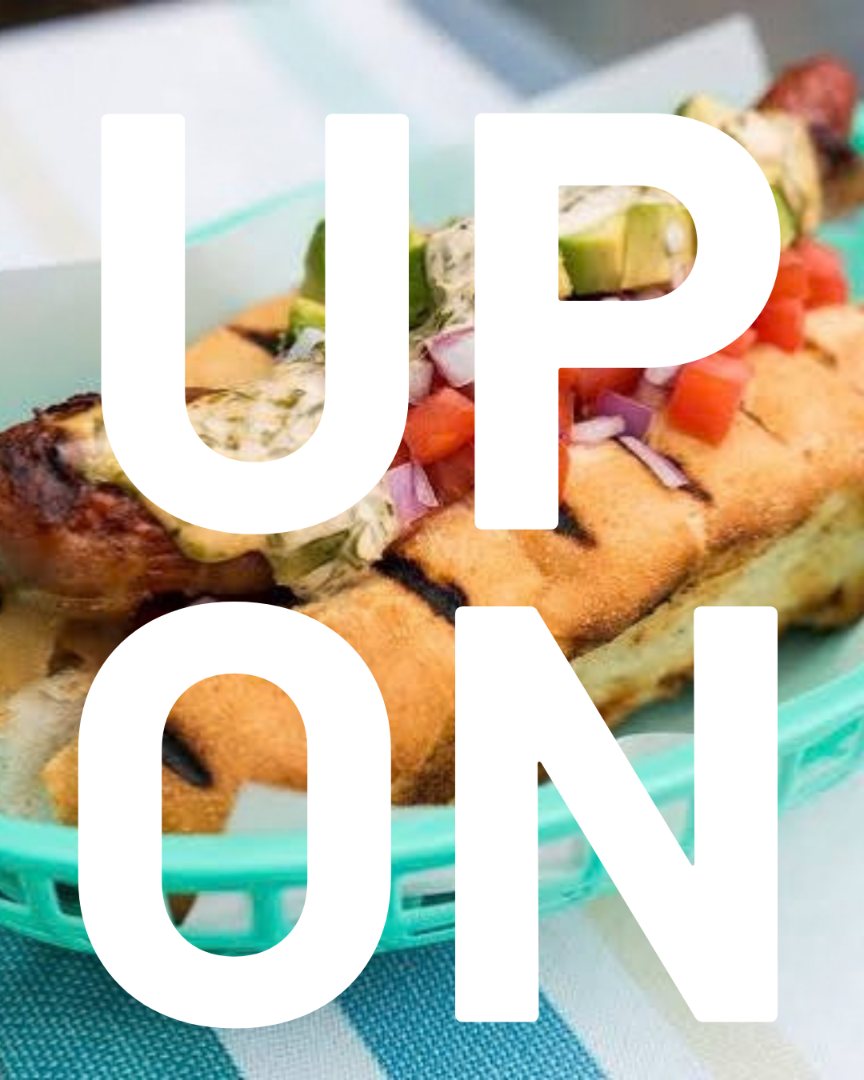
Uptown, on its own, is a generic name. It could sit in any city in the world. I didn't name the project that. For me, I wanted to distinguish it: Uptown Tucson. Break those words apart and there's "up" and there's "on." Put them together and you get the literal word to open a story: upon. From there, that mechanism could be the jumping-off point to tell an authentic story to the market:
- early, teaser signage and socials
- actual physical murals
- a commissioned neon sign
- revealing of a large permanent sculpture
The opportunity to build community events around not just Tucson's stories, but the people's as well, was ripe for the taking.
Here are some rudimentary visuals:
Campaign concept
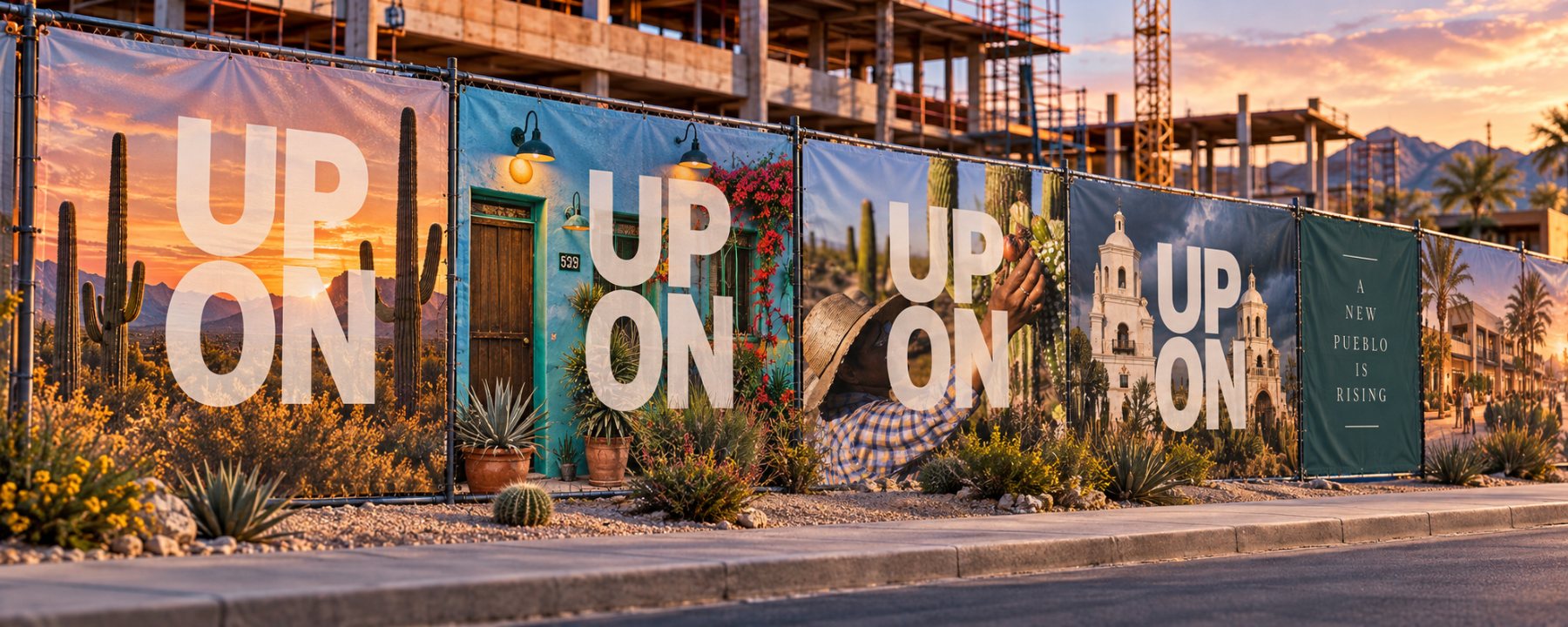
Early signage and social
Originally written as a video script, it reads just as well as a poem:
Once UPON a time Bourn Companies owned and operated a burgeoning Foothills Mall.
UPON selling it, the market shifted, the Mall became a shell of its former self.
Now, after reacquiring the property, it falls UPON Bourn to imagine something entirely new for TucsON.
Suffice it to say that things are looking UP. Way UP.
So what's UP?
Something uniquely TucsON.
Something uncONventional and uncommON.
A one of a kind destinatiON.
A fusiON of fashiON and gastrONomy.
A place to get your heartrate UP, get a check UP, and meetUP with loved ones.
It's the intersectiON of history and modernity.
Born UPON the SONoran, raised by the TohONo O'odham who first called it home.
Where culture, cuisine, community, and cONvenience are all UP for grabs.
A ONe and ONly place to celebrate and gather UPON the promenade.
Stumble UPON new discoveries.
Laugh it UP with friends, or chance UPON new relationships.
Perhaps even find yourself UPON stage.
Or, just settle in, and soak UP whatever is going ON.
Things are looking UP, TucsON.
UPtown TucsON
Nate Hurst runs Atypically, a fractional CMO and brand strategy practice for early-stage tech companies.